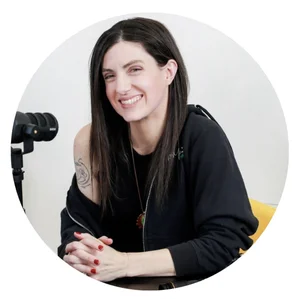
139. MyMaine Birth: Tuning into Your Intuition in Birth, Natalie’s Two Birth Stories
Natalie: 0:00
I don't even know looking back that it was my intuition. I was nervous. I think you know, I just let it get it's scary to you don't really think about you're carrying a human. It's just like a wild experience. You're responsible for another being that's part of you. And so that I don't think I was really prepared for how overwhelming that fell in terms of decision making. And I got, yeah, I got nervous. I think the midwives felt like everything was fine and thought that would help me feel better. And then that it's always the question, like, what if I had never gone for that ultrasound?
Angela: 0:37
That's like really a big thing right there that we've actually been talking a lot about in some of these other classes that I'm in, is tuning into the difference between intuition and fear. It's a really confusing line. Yeah, it's it can be a really confusing line, especially with a first-time pregnancy. And yeah, planning a home birth for that. That's a big deal.
Natalie: 0:59
I feel like the second one I did a lot. I don't want to say better, but I feel like I handled that line much differently the second time around. Um, but I just wasn't prepared for that.
Angela: 1:14
I'm Angela, and I'm a certified birth photographer, experienced dual, childbirth educator, and your host here on the My Main Birth podcast. This is a space where we share the real life stories of families and their unique birth experiences in the beautiful state of Maine. From our state's biggest hospitals to birth center births and home births, every birth story deserves to be heard and celebrated. Whether you're a soon-to-be mom, a seasoned mother, or simply interested in the world of birth, these episodes are for you. Welcome back. You're listening to episode 139 of My Main Birth. As a reminder, I share all different types of stories here on the podcast. Whether you've birthed in a hospital, at a birth center, or at home, whether your story was positive, negative, or somewhere in between, your story is welcome in this space. The only requirement for sharing a story here on the podcast is that at least one of your stories is a main birth story. As an added bonus, I also offer a gift certificate for a family adventure photo session, redeemable on the session day of your choice, to all of my podcast guests. I host these session days at iconic locations across Maine throughout the spring, summer, and fall. So if you'd like to join the community of Maine Mom sharing birth stories here on the podcast, you can fill out the form over on the podcast page on my website, mymainbirth.com, or you can always send me a message over on Instagram at mymainbirth. Today's birth story guest is Natalie, and she is here to share her two main birth stories with us. Hi Natalie, welcome to my main birth.
Natalie: 3:08
Hi.
Angela: 3:09
To get started, would you share a little bit about you and your family?
Natalie: 3:15
Yeah, we my husband Kyle and I live in Cornish, Maine. We have a small certified organic farm, grow vegetables. I also work part-time. I've been doing it for many years at Krista's restaurant in Cornish. Kyle and I met working for the Appalachian Mountain Club up in the White Mountains, traveled a bit, worked on other farms, and then we settled here in Cornish. And now we have two kids, Joni, who's six, Raya, who's two and a half, and we've been here, I think about 11 years.
Angela: 3:48
Awesome. So now jumping into your birth stories. Actually, before we get to the birth stories, would you share a little bit about like what your views were on birth, like growing up, maybe what were some of the stories that you heard about birth and just kind of framing like what your mindset was about birth leading up to when you became pregnant?
Natalie: 4:11
Yeah, I actually sort of never was someone who thought I really wanted kids growing up or even as a young adult. I just was sort of focused on other things. And I think unfortunately, to some degree, had the mindset, you know, of like being a strong woman and having kids were two separate things in my mind growing up. I'm not exactly sure why. And so I was sort of independent and didn't really want to identify as that type of person that just was always thinking about having kids. And um, so it wasn't on the forefront of my mind. And then I think as Kyle and I have been together for quite a long time now, and sort of as our relationship progressed, and of course, I think I matured and met other strong moms and women with and without kids, women with and without kids. Um it just sort of grew to be something that felt like the next step in our relationship, and that I did really want to have kids together with a partner who I really care about, and it felt like it would deepen our relationship that way. So I didn't really, I guess, get exposed to many birth stories, maybe because I didn't ask, or it just wasn't in my upbringing, just didn't feel like I was very much exposed to any of it.
Angela: 5:34
So, how did you find out you were pregnant for the first time? Yeah, and what were your thoughts in choosing your care?
Natalie: 5:41
It was an intentional decision that we were ready to have kids, and I think we were thinking a fall, a fall baby would be in our minds most ideal, sort of with the flow of the farm. And I also didn't know if it would happen right away, so I think it was winter and we were gonna start trying, and it happened immediately. And so uh Joanie was due in October for the first one, so it was just a pregnancy test and it was immediate. So, in sort of the course of our farming journey, I came across this woman who I became quite friendly with who uh was connected to the farm Kyle and I worked on for several years. Um, she also worked at Krista's, and she and I became really good friends. And she at the time was a long-term partner at the Socopy Midwives. Um, her name's Lindsay. And then also in our farming circles, many of the other farmers had used um midwives for care. And it was something that I had never been exposed to. But sort of as I developed this relationship with Lindsay and these other farmers, I thought, of course, this is what I would want to do. It makes so much sense. It's right up my alley. So we knew, Kyle and I knew going into it that that's who we would want to use.
Angela: 7:06
Awesome. So, how were you feeling throughout that pregnancy as your pregnancy started out?
Natalie: 7:11
It was really easy. I didn't really get sick. The best part was I slept so much. It was like the best sleep I've ever gotten in my life. I would just, you know, get tired around three or four in the afternoon. Um, I'd tell Kyle I was gonna go like rest for a bit, and then I would just pass out for the night. And I think he kind of expressed later that he was feeling like a little lonely during that time because I was sleeping so much. But I had sort of always been someone who didn't sleep very well, so I just thought it was amazing. I stayed pretty active. We were farming. I walk in the woods every day, or at least I did at that time. And again, I think a little bit of the stubborn side of me didn't want to let it slow me down. So I probably pushed myself more than I needed to, or maybe was necessarily like mentally healthy for myself. I just was gonna not let this thing, you know, uh change me, or so I just kind of kept at it. And I felt pretty good. It definitely, you know, had its moments and of being uncomfortable and the way it goes.
Angela: 8:26
Yeah. So how were your appointments looking, like towards the beginning of your pregnancy and then as it progressed?
Natalie: 8:34
Yeah, the midwives are great. The appointments are a mix of they come to your house or you go to their office. I did a couple appointments at Lindsay's house where she was living at the time, at the their office. They would come here. They're just like really mellow. They already knew Lindsay really well as a friend, but it just feels like a chat, like and it's it's like an hour-long chat of you know, it's very relaxed. They, you know, they do do blood pressure and monitoring and all that, but it's sort of mixed in with just how are you feeling? What's you know, it it they really care and it makes you feel like a person. Um, so it was really great experience in that way for me.
Angela: 9:16
It's really like that humanized care. It's not just that conveyor belt going through the motions, like, you know, as you were with an OB in the hospital, right?
Natalie: 9:26
Yeah, not at all. And I remember they did, I had talked to other um friends who, you know, had been or were going through hospital care. And even for the gestational diabetes tests, they cooked me pancakes, and you know, we just like sat and talked while they, you know, it's just so different than what I was hearing was happening at the hospital.
Angela: 9:48
Yeah. So how were things looking like as you got farther into your pregnancy?
Natalie: 9:55
Everything was very, very straightforward, except that in my I was I didn't look very pregnant throughout really any of it. And so that sort of I had a 20-week ultrasound, everything was normal, and then we didn't have any planned imaging until really late in the pregnancy. The midwives suggested I do an ultrasound, I think, just to make me feel better because I was getting nervous. People would say I was pretty small, I was measuring fine, but I looked, didn't look very pregnant. So people were just saying, people make funny comments. They just like don't think about what comes out of their mouth. And I got nervous, and so I went for uh, I think it was like 37 in a week, 37 and a half week ultrasound. And that was what sort of set off the transfer of care to the hospital.
Angela: 10:56
Yeah, so there was no real indication, like you were measuring fine, you were just kind of feeling small. You your intuition was kind of telling you something felt off, so you wanted to go in. How did that unfold for you? Yeah.
Natalie: 11:14
Yeah, and I don't, I don't even know looking back that it was my intuition. I was nervous. I think, you know, I just let it get, it's scary to you don't really think about you're carrying a human. It's just like a wild experience. You're responsible for another being that's part of you. And so that I don't think I was really prepared for how overwhelming that felt in terms of decision making. And I got, yeah, I got nervous. I think the midwives felt like everything was fine and thought that would help me feel better. And then that it's always the question, like, what if I had never gone for that ultrasound?
Angela: 11:53
That's like really a big thing right there that we've actually been talking a lot about in some of these other classes that I'm in, is tuning into the difference between intuition and fear. You know, it's a really confusing line. Yeah, it's it can be a really confusing line, especially in the first-time pregnancy. And yeah, planning a home birth for that.
Natalie: 12:13
That's a big deal. I feel like the second one I did a lot, I don't want to say better, but I feel like I handled that line much differently the second time around. Um, but I just wasn't prepared for that. And I think I struggle with that anyway, so it was just, you know, sort of a perfect recipe for maybe too much information in hindsight.
Angela: 12:39
Yeah. So how well how did the ultrasound go? What happened then?
Natalie: 12:42
Yeah, so the ultrasound revealed what was called a late Cori amniotic separation. Um, and I don't know if you're familiar with that. I wasn't at all. Apparently, sometime in the first half of pregnancy, there's two layers to the amniotic sac and they fuse. And mine had because I had a normal ultrasound at 20 weeks. And at this point, which was just after 37 weeks, they it was showing a slight separation. And it was one of those moments where you don't want to be that person where they say, We don't see this ever. And they had seen, I think they had one woman at Maine Med Portland that had this, and she ended up having a stillbirth, and so they recommended an immediate induction. So we were sort of left with that information. They wouldn't, like Main Med, I think I'm sure because of liability, wouldn't like talk like anymore about it. Like, this is just what we recommend. We had a meeting with the midwives, they said they were still comfortable proceeding with a home birth. And so Kyle and I had to go home and sort of think about what we would do. Um, I think we were able to find the records of that, not records, but that stillbirth. Like it was a whole write-up on PubMed or something, you can look it up. And so we read it, and it's just really unclear. Like it was unclear what was it that was it, who knows? Um, and so again, we got scared and I think just decided. I remember talking to my parents. I think I went and visited a friend who sort of um felt like a mother type sister figure to me. And um, we just decided I wasn't gonna be able to sleep at all until like having that information, feeling that risk. And so we decided to do an induction. Wow, at 37 weeks now. Yeah, I think it was 30 by the time it was like 38. I don't know. It was somewhere around there.
Angela: 14:45
Yeah. So how did that, yeah, like unfold?
Natalie: 14:50
Yeah, I think we called um the midwives, said that was our decision. They were very supportive. And Brenda, who was Lindsay's partner at the practice or and still is there, although she's heading into retirement, um, drove with us to main med, got us checked in um and transferred the care. And I think that was around like 6 p.m. It was in the evening, it was dark. I remember. Um, so it had to be sort of after four or five o'clock that we went and got checked in and like we packed a bunch of stuff. Everybody says, like, you know, inductions are slow, like Kyle brought books, you know. So just I don't exactly remember what I brought, but everybody sort of emotionally prepped us, like you could be here for days. And I think Brenda got a check got got us checked in and said we could call her and Lindsay when things started to progress. Yeah.
Angela: 15:52
So had you known much about the induction before, or was it kind of like a crash course when this was kind of all happening?
Natalie: 16:00
Course, which again feels like how much looking back, should have I should I prepared more or should I? I I don't know. I don't think there's a right answer to that. It's really hard to know how much to prepare for. So yeah, I didn't. It was definitely a crash course. I remember very clearly the nurse or the doctor saying all inductions end in petosin was her language. And I just like didn't even have any concept of what that meant. But mine did not. So and yeah, just for a little perspective, they checked me in, you know, sometime after six or seven by the time you meet with the doctors, do all the stuff. And then Joni was born by I think it was like 11. It was really fast.
Angela: 16:52
Oh wow. So were you dilated at all when you got to the hospital before things got started?
Natalie: 16:57
I feel like it was like two centimeters. I had had this feeling that I was gonna have her early anyway. Again, like hard to know if that's you know, you get these feelings, but hard to know if that actually would have played out. Like if you had stayed home. Yeah, I think she would have come early.
Angela: 17:14
Yeah, interesting. What type of method did you choose to start the induction?
Natalie: 17:21
Um, I don't feel like I made any choices at after that point, and that was another learning experience for me, is I feel like all choices went out the window, partly because I didn't know what they were, partly because of the way they present things, partly because again, it's that line of you know fear that you just feel like you're in the hands of people that tell you what you're supposed to do, you're responsible for this other life that's not even here yet. And so I just felt like that all choices were gone.
Angela: 17:58
Yeah, that that makes it really hard. So, how are things presented to you and how did it kind of unfold?
Natalie: 18:05
It just sort of felt like this is what we're doing. And so they did um, I think they did the membrane stripping first. Uh, and then the balloon catheter, and that I think, and you're at the hospital you're wearing the um monitor, the fetal monitor. So they said they can measure, they can measure the frequency of contractions, but not the strength of them and the baby's heartbeat. And so the balloon catheter, I think I started having contractions, but then they stopped. And so they would come, then they came in and they gave me a dose of misoprostal vaginally, and that was um, I remember her saying, we're just gonna give you a tiny dose just to see how your body reacts. And it was within 30 minutes of having that, I was like in end stages of labor.
Angela: 19:01
Wow. So did it start when did you start having contractions?
Natalie: 19:06
Probably about 15 or 20 minutes after having that administered. It just went from like nothing to uh like full labor. I remember they had a chart in the suite with like stages of labor, and Kyle kept going and looking at it and just like feeling completely flustered by how it was progressing. I think I moved like in and out of the tub, but it just wasn't comfortable. I felt out of sorts there, and everything just happened so fast. And then at some point I did ask for an epidural, which again wasn't what I planned on doing. And I think if I had had the midwives there, I maybe would have waited. I started throwing up around that time, which in hindsight was a transition point. And yeah, the monitor right around that time started showing um heart decelerations. Sorry, it's hard to talk about. Um yeah, um, so she started having heart decelerations. So they were having me change positions, like hands and knees. The labor nurse was right there the whole time in the it was a resident on duty, kept coming in and checking, and I remember hearing sort of overhearing mention of a possible C-section, but that never played out. I don't know why or what that decision, you know, it's just a blur. And then I think at some point it was time to push, and I don't really remember how that decision was made, because again having my second daughter at home, it was just a whole different process. I don't know if they checked dilation or they must have. I just don't, it's not a clear memory.
Angela: 20:59
When you're 10 centimeters, it's time to push, whether you're like ready or not.
Natalie: 21:03
It's like been the case. Um and by that point, I think Brenda and Lindsay had both come back. Kyle must have called them. I remember Lindsay being there. The doctor was there, it was a resident, and I think a couple other people were in the room.
Angela: 21:23
Had you gotten the epidural at this point or not yet?
Natalie: 21:26
Yeah, I did. And it didn't work completely, which I didn't know that was also a thing. Um, but I've heard that I could still feel my whole left side, and I was able to, I don't think I was supposed to be able to do this, but they were having me change positions. So I was getting up on my hands and knees and like changing sides, and I didn't need any help to do that, which um I remember the nurses asking if I was gonna be able to, but I could move around fine. It was like it didn't work completely, apparently. And yeah, and then she was born and she came out uh sorry and they um took her away and had to sort of revive her. And then she had to go down pretty quickly um to the NICU. Um, I think she had an Apcar swarm one. Um I couldn't go with her. Kyle went with her with Brenda. Um and I don't remember how long I stayed. I had to get to a point where I could walk, which I remember happening pretty quickly. Lindsay was with me, and then we were able to go down. And Joni had actually recovered really quickly. I think she they do the initial and then they do a second score, and I think she was back up to an eight or a nine really fast, which was great. It was all really encouraging. I think the only in hindsight red flag was she had a high blood acid level they measure, which is a sign of um stress, fetal stress. Um and I think I don't remember how long she was there, but at a certain point they had decided she had recovered enough that we could go to the nursery with her. And we like, you know, got a room and tried to get her to nurse and all that and sort of recover thinking everything was fine.
Angela: 23:40
Yeah, yeah. So how were you how were you doing during this time and like what was kind of happening, yeah, like after that?
Natalie: 23:48
I think I was just overwhelmed and also weirdly glad to just have her out, um, as weird as that sounds. Um and it didn't feel looking back, it's more upsetting than it was in the moment because I think it was just all so fast and I didn't really understand everything that was happening. And so I was sort of blissfully ignorant of you know how serious things were in those moments because it was just so much information stuff. I didn't know um a lot of people, a lot of you know, relief to just have the labor part over.
Angela: 24:37
Yeah. So how was your postpartum, like the early postpartum, those first few days with her?
Natalie: 24:44
It was hard. She after we were released to the nursery, she started having seizures from the labor. I guess what had happened, and again, I just didn't know any of this, but the misoprostal what had happened is I had overstimulation of the uterus or hyperstimulation of the uterus. And so the cons the contractions were too strong and too close together, and it caused um brain swelling. And so she we saw a seizure, I think that first night when we were alone in the nursery, and so we ran out to the hall to get a nurse, and by that time she had kind of recovered, and the nurse sort of brushed us off, saying it was probably a poop, you know, she did babies look weird. Um, and I think they said we could pass her off, you know, so you can get some sleep. They let you sort of put your baby in a little, you know, side nursery under supervision. So we did that because we were really nervous. And I remember falling asleep for a few hours and woke up and she wasn't back, and I knew there was something wrong. Um so we called for the nursing staff and she had had seizures while she was under their surveillance. Um, so she was in the NICU and we had to go down and get briefed on what was going on. And basically they were trying to get the swelling from the labor. It was just too much impact for her under control. Um so she was in the NICU um for about a week. Um had an MRI, we just it just like goes on and on. Um got uh hooked up with a neurologist, which was a whole experience in itself, and they were able to get the seizures to stop, and then it was kind of sort of a wait and see uh situation on you know, letting her come home was could she eat? And she started doing luckily all those things really quickly, and so again, after that initial sort of really scary time, she recovered really fast.
Angela: 27:13
So, how how was your postpartum once you got home? It was terrible.
Natalie: 27:18
Yeah, the it was just scary. It was just like a such a we left sort of the way it was left with us is she was doing great, but she had had an MRI like two days old or something, and the way it was explained to us by this neurologist was on an MRI, sort of recent seizure activity and brain damage looks exactly the same. So her brain on the MRI like did not look good, and it was kind of like we were given this really negative uh outlook. You know, I remember asking, like, well, couldn't it just be that it was seizure activity? And the neurologist said basically in her experience, you know, 90% of the time it's like actual damage and we should expect all these terrible things, uh, you know, quadratic cerebral palsy, assistance for life, like just went on and on about how terrible um the prognosis would be.
Angela: 28:25
So we were like you're like two days postpartum when you're hearing us.
Natalie: 28:29
Yeah. Um we got paired with an OT who would come to our house once we got home twice a week. So basically, although you know, every day she was doing fine, that was sort of what we were sent home um with. So that was really challenging to recover from, I would say.
Angela: 29:01
Yeah, yeah, that's so hard, just the way that they frame it, you know, it's like worst case scenario always. Like, let's not have any like like humanized care, right?
Natalie: 29:12
Yeah, yeah. I still have a picture of she drew like a brain I still have it, just like scribbled all over it. Just she was just so negative.
Speaker 2: 29:23
Yeah.
Natalie: 29:25
Um, and we had a follow-up scheduled with her for I think like two or three months out, but until then it was just kind of wait and see, work with the OT, um, who was great, and sort of proceeded to come until um COVID happened that winter and didn't see anything, but it was an interesting learning experience. You know, I learned a lot about babies' brains, which was interesting, but also not that fun to learn about with your own child. Um So yeah, it was a hard postpartum period. My parents were up here a lot. Um and a funny thing I think I realized now, like to me, I hadn't I had never held a baby before her. And to me, honestly, all babies look like they're damaged. Like babies are just pathetic looking. But I didn't know. I didn't know it was normal. And so I was always looking at her, wondering, is something wrong with her? Do other people look at her and think she, you know, it's just very sort of upsetting, confusing time. Um, and I think Kyle and I look back and think the first year we feel like all that joy of uh newborn was gone.
Angela: 30:50
So yeah, yeah, it's a lot. It can be really hard, especially as you know, it's your first time and you don't know, you know, like you've never held a baby before. How would you know? They look pathetic, babies just like you're just figuring all this out.
Natalie: 31:08
Yeah, underdeveloped creatures that, you know, so she in hindsight was there was nothing wrong with her, but all I could do was look at her and think she was, you know, we're headed for this terrible outlook.
Angela: 31:20
Yeah, I feel like a lot of parents that don't have any health issues come up can feel like that, like when you bring home a new baby if you're not really familiar with babies, and then add on top of that a stay in the NICU and all of those things the doctors are telling you, and then it's like, okay, here, just go take care of this baby. Like it's crazy. It feels crazy. So terrifying, yeah. So how did it kind of go as things the months went on? Like, did you start to kind of settle in and like, yeah, how did that go?
Natalie: 31:50
Yeah. Um I, at the urging of my very concerned mother, went to a very good postpartum, she specialized in postpartum uh help psychiatrist therapy, and that was really instrumental in sort of for me turning a corner. Um because I was having a hard time. And then we did have a sort of random, again, random experience after Joni's first vaccine. She had a like um hypertonic reaction later that day. She just went white and stopped breathing for a number of seconds. So, of course, we thought it was a seizure because we were told we had to watch out for those. She was on um anti-seizure medication, I think it was twice a day at that time. Um, and so we took a fun ambulance ride back to main med. And this ended up being a silver lining of the whole experience. We got um paired up with a different neurologist who was on call that night, and he just had a whole his energy level was just a much better fit for us. He was positive, he was friendly. Um, you know, I think said, I'm gonna go more based on what I see than what a scan shows. And so while we were there, she was supposed to have a follow-up MRI at her three-month checkup with the other neurologist. And he said, Well, you might as well do that now while you're here, if you're willing to do that. Um, and I think I asked him if he would be willing to take her on that we could transfer care. Um, and he said, Yes. And so we did that um follow-up MRI, and it showed a 99% normal brain scan with only one little tiny speck that he said if we saw anything from that, it would be much later and so subtle that you would never even know anything had happened to her. And so we were able to leave that day just with a whole new sense of relief. And um, she stayed on, I think sort of proactively stayed on the seizure medication for another few months, and we had a follow-up with him. Um, I think where they did an E, I always get the terms confused, E K G, E E G, where they have the little nodes um to look for anything abnormal and everything was perfect. He checked her development and said, I think you can get rid of this medication, and I hope I never see you again.
Angela: 34:35
A year and a half she was at that age.
Natalie: 34:37
Yeah, I think so. It was right around a year. She was walk almost walking, I think. So maybe it was a year. So she stayed on the seizure meds for a year. Um and we had sort of follow-ups with him until that point, and he said, I don't have to see you ever again. Yay. Yeah.
Angela: 34:59
Wow. So you mentioned it was her three uh month vaccine appointment that she kind of the first one was eight, what is that at eight weeks or so?
Natalie: 35:10
Oh, okay. And I guess it's pretty again, it was sort of a negative hospital experience because the ambulance drivers, everybody we interacted with that night said, and did anything different happen today? And we said the only thing that happened was she got all of her shots today. Um and sort of the ambulance workers, the nurses, later the psychologist that I had was working with said, Yeah, babies sometimes can have a weird reaction um to specifically the pertussis vaccine. And later on, our even our pediatrician um took that one out. So she got a separated out T D A without the P. Um for whatever reason, it can just call it it's harmless, it's just like she was little, it was just too much, and it causes like this, they go white and they stop breathing um for a very brief amount of time. And I think it just considering her history, that was terrifying. Um, and we didn't know what it was at the time.
Angela: 36:18
Yeah, that's super scary, especially considering like they don't have the same dose for that vaccine that they would give a 10-year-old or a 15-year-old that they give the little babies, you know. It's like the same Right.
Natalie: 36:29
And she's since gone on to she's now had that. She's caught up on that again. We would just waited until she was older at the recommendation of the pediatrician. Um, that it's just more likely to happen the smaller the baby, you know, it's just more common in little babies. It just overwhelms their system.
Angela: 36:49
Wow. Okay. Yeah. So how did you find out you were pregnant for the second time now?
Natalie: 36:55
Again, I think after Joni, I was like, I'm never doing this again. Um, but I think as she sort of reached the I always wanted to, if I was going to have any, I wanted to have two. And so for a long time I felt like sort of that possibility had been sort of taken from me. But as she got older, we started talking about a little more, just right around two. I feel like I say is when they like trick you into thinking you should have another one, meaning the child, because they're like just fun enough and less needy that you forget how awful it is to have a baby, at least for me personally. I know some people really like having a baby. Um, you know, she's fun, she's smiling, she's walking like little buddy. And so we were talking about having another one, and I remember I we scheduled a meeting with Brenda of the Midwives and sort of talked about based on what happened with her, do you think this is likely to happen again? And she said, absolutely not. Um and I think that's what made us feel like we could try again, and so we did, and again, it was like the first um we were gonna try to do a spring baby this time. We had talked to some friends, and they said actually it's easier to have a spring baby because they're not so mobile, you can wear them all summer, and so uh we were tried one month, and then I think I got cold feet and decided I wanted to wait another year, but it was too late. I had already I remember I cried. I was like, oh god. So yeah, um, I got really tired again, so that's when I think Kyle knew before I was willing to acknowledge it because I was getting sleepy again.
Angela: 38:43
So yeah. So you had already checked in with Brenda, so I'm assuming your care plans were home birth again?
Natalie: 38:54
Um they actually started out not home birth. Weirdly, I was in this weird mindset of sort of feeling confused that although I felt like the hospital had made a series of errors and bad care, I also felt scared to not use them in a weird way. It was a strange contradiction in my head that that's like it's supposed to be the safest place to be, even though they caused all these bad things to happen. And so I just decided to use a different hospital. We were gonna use the midwives that are part of Made Med, but they're in North Conway because we're a sort of equidistance to there. Um, and Lindsay, who had been a partner with Brenda, my good friend, had since become um gone back to school for nursing. And she worked on the labor and delivery floor in North Conway. And I had two visits with them, and my blood pressure just walking into that hospital setting went through the roof. And they again, I don't know why this information doesn't transfer on a chart, but they if you apparently if your blood pressure is high for more than two visits, you're automatically funneled into a high-risk category. And so they started talking to me about induction, and I freaked out and just said, I don't think I can do this. And we called Brenda and met with her shortly after and just decided to give the home birth a go again. And I think I I didn't want to have initially, I didn't want to feel like I was just repeating the same experience and have the same outcome. And I think even just doing those two hospital prenatal appointments sort of differed the experience enough that I could get that out of my head that we weren't just having a repeat scenario.
Angela: 40:55
Yeah, wow, that's kind of crazy. So it was early in your pregnancy, and the hospital's like, let's talk about induction.
Natalie: 41:02
Just couldn't, yeah, you would think that would I don't know, it was it was really bothered me that that you would think that would be in my chart that I can't it's just or a little more awareness around it, but just nothing. It was just, and I remember asking Lindsay, like, why are they? And she said it's just protocol, like the minute your blood pressure is out of range, they have to. If you do it for two visits in a row, that's what they're trained to do. Wow. And my blood pressure was fine, turns out like when they measure it at home, it just I got so nervous just being back in that hospital.
Angela: 41:41
Yeah, that's interesting how like the different situations and environments that we put ourselves in can change our blood pressure. Right. Oh boy, so awesome. So, how are you doing once you shifted your care back into yeah, planning for a home birth?
Natalie: 41:59
Good. It felt really good to be back with them again. My friend Lindsay wasn't part of the group anymore, but I felt like we had a really nice relationship with Brenda, and they had two newer midwives that had joined the practice at the time, who I really enjoyed. Um, Brenda, we had traded and Lindsay um food, our food with the first time and the second time. So I feel like we developed a nice relationship with Brenda as well, sort of in the intermediate years between Joni and Raya. And then sort of have mutual friends. Um, so I felt and I also I don't know if this is correct, but I got the sense that she wanted to help us have a redo. So that was nice. Um, so the care was great as usual. I said no to a lot more too, even with them. I think I just had learned with Joni, again, sort of talking about that line of fear that more data was not good for me. And so I just many visits we just didn't do my blood pressure, or I didn't do the diabetes screening, or I just decided I was gonna just trust, which overall I did. It was still, of course, had its emotional ups and downs. I was terrified of having a repeat experience, but I kept sort of going back at it with an intention that I was gonna just let it play out. I still wasn't like a I still was like a fairly small pregnant person. Um I'm very active. I think it was just a like good set of abs from farming and just holds everything in. And so the measurements were all really normal. Um and the way I was trying to explain it to people when they comment is just like the baby was just like up as high as it could be, like length, the baby just got smooshed up and just didn't go out, um, which was sort of odd because you know it was super uncomfortable. I was like full-on pregnant, but I didn't look like it. Um and so that was um, yeah, everything was fine. I was feeling her move a lot more because Joni's placenta, I think, would have been in the front. So that was a really different sensation. Um, I did take it a little easier on myself. It was winter, um, the end of the pregnancy. So we weren't farming. Um, I still was walking every day in the woods, um, you know, I think relatively really active, but I did sort of give myself permission to be less uh stubborn. And you can't do as I also had a two and a half year old or three-year-old to take care of, so it's a whole different type of pregnancy.
Angela: 44:54
Yeah, I bet the afternoon, like early bedtime looked a little different.
Natalie: 45:00
Yeah, you're just like it's just not as easy when you have another one to it's not as luxurious, I guess, is the word.
Angela: 45:07
Yeah, so how were things looking as you got closer to your due date?
Natalie: 45:13
Everything was great. I um they increased the visits. We had talked about sort of my vision for the birth, and I had been a little sort of resistant to the idea of the tub. I just didn't feel like that would be a good fit. Um, but we had a I have a horse. We have an old horse trough um that was sort of equivalent to a birth tub that the midwives have, and they lend those out. And so we I think Kyle cleaned that. They gave me a liner, sort of we had that available, and they give you a sheet of how to connect your um bathroom so it's clean and sterile. And we hadn't done that. We I was really like dragging my feet about the tub. Um, and I think I had Raya, she was early. Like I thought Joni was gonna be right around 38 weeks, and we got the tub ready the same day she was born, not knowing she was gonna be born that day, but we still have receipts from the hardware store with the date of Kyle going and picking up the right fittings to hook up the tub. So that's kind of a funny little side note. I had had what for me felt like the first set of contractions the night before, but very mellow and spaced apart, I was able to sleep between. Um, they had stopped in the morning, so I went for a walk. I had stopped walking in the woods because I think that week for the first time I this is gonna sound a little crazy. I was like, I would walk in the woods every day with the dogs on the snowmobile trails, pretty hilly. And that week I had had to stop and sit down a couple times because I thought I was gonna pass out, and so I thought like maybe not a great idea to be walking by myself in the woods anymore. Um, so I went for a walk down the road, which is still two miles with a very serious hill. Um, and I took so long that Kyle called me because he was worried. Um, I said, no, I'm fine, it's just really slow. And when I got back, the contractions started up again. Um, and I called the midwives and they asked, you know, what the right they were very irregular. It was like seven minutes, twenty minutes, four minutes, seven minutes. Um I said, oh, it's probably nothing, just early. You know, it can be false labor. Call us if anything changes, and sort of we went about our day. I think I lounged a bit in the sun. Um, Kyle went to the hardware store. A friend stopped by, I think asked how I was doing. Kyle just said, Oh, she just feels weird today. Um I think we picked up Joni. She must have been at daycare. And I remember we were giving her a bath upstairs. And I was starting to have more painful contractions, but they were still really randomly spaced. I was trying to time them and it just was not regular at all. And I remember asking Kyle, like, do you think I should call? I don't, I don't want to bother them. I don't want to make them come, but I don't know if I can. They really prep you to have false labor. And I just remember saying, like, I don't know if I can do this for a week. This is really uncomfortable. Um, I was just like, I don't think I can keep this up. This is it, it was getting really uncomfortable. Um, but they tell you, they give a whole handout about how this false labor can go on for weeks. Um he said, just call. And so I called Brenda, and I think she happened to be in Cornish. Her son lives pretty close to us, and she was passing through, and she popped over. Um, I think did a quick exam. And I remember her saying, Yeah, I'm gonna go home and just get my stuff and then come back. And I said, Well, should I call my parents? They live two and a half hours away. They were that was the plan. They're gonna be here to watch Joni. She said, Yeah, she's very mellow, like never an alarm sound comes out of her body. Yeah, you should call them. Should they come tonight, tomorrow, tonight would be good. Um, and I wanted Lindsay, my friend Lindsay, to be there. And she had told me if it wasn't a night she was at the hospital, she would come. And so I called Lindsay. Brenda left, said she would be back. Um, and I think in the meanwhile, my mucus plug came out. So I think I called the midwives again and I spoke to a different one and said, you know, I think Brenda was going home and gonna come back. She said, Yeah, Brenda was too worried to go home. She's just waiting in Cornish, she'll be back. You know, she didn't, she lives 15 minutes from here, and she didn't even think she had time to go home. So I think she just went to get a snack or something at the store, and she was back pretty quick. And I think I tried to get in our tub, and I just really wanted to be on my hands and knees. And our tub just wasn't like I couldn't be in the water. Um, so I got out and Brenda found me at the top of our stairs shortly after that. And I remember saying I was intending to get dressed, I just haven't done it yet. She said, I don't think that's important anymore. Um, so she helped me get down our stairs. We have really old house steep, steep stairs. Um, and we moved up to the loft. We have a finished space above our garage, and that was where we planned to have the berth. And I just remember being on my hands and knees that that felt like intuitively or instinctually, just that's all I wanted to do. Um Kyle was watching Joni. Um, and I remember hearing Brenda in the background. I had left it with Lindsay that Brenda would call her when it was time because I didn't want her to have to spend hours and hours here. And I think Brenda called her almost immediately and told her she should come over. Brenda kept trying to get Kyle to come up. He was, she was asking me um if there was anyone who could watch Joni. And I remember telling her, call Michelle, who is a friend of ours. And it must have been, I think I had called Brenda originally around 3 p.m. and now it was five. And Kyle called Michelle, and she came from work and stayed with Joni, so he was able to come upstairs with me around 5:30 or 6. Um, and Lindsay came around that time as well. Um, and they made a little like pillow shelf for me by we have these big beautiful windows in our loft so that I could be on my hands and knees, but sort of rest between contractions. And I remember Lindsay being there and just sort of talking me through um all of it. Um at some point she must have asked or I asked if I could get in the tub. And they got the tub ready. Um, again, I was just on my hands and knees. My water broke in the tub, which was a bizarre. It was like a torpedo. I remember I didn't know what it was. It looked like a torpedo had shot out of the um tub, and that was what finished the dilation. It went, I think, from like seven to ten just with the water breaking. Um and then this was a whole new experience from Joni. I just had I had the sort of forceful ejection of contractions. It the way I describe it is I felt like my body just vomited her out. Um it was but I couldn't stop it. It would have you know, I would help push at the end of each of those sensations, but it was a totally reflex experience of my body. Um, and so she was born, I think around 7 p.m. So it was a very short. Uh didn't even keep them overnight. I remember joking with Lindsay. He didn't even give up to stay overnight with me. Wow. Oh my gosh, what a beautiful story. Yeah, just easy, just everything that didn't happen with Joni. I got to do the second time around. Wow. And it was that's still pretty quick. Super fast. I mean, I'm pretty sure Joni would have been quick too. I think I just was gonna be quick and the medication was way too much. So yeah, I didn't yeah, it was just very, very fast. You know, in hindsight, I was in labor all day, but I just didn't really realize it. So sort of from knowing to birth was from 3 p.m. to seven. My parents showed up just in time. Did they witness the birth? No, I did not want them to, but they were downstairs with Joni, and Lindsay had brought her daughter, Flora, and my friend Michelle was able to leave. Um, and my parents were really nervous, you know, they had to go through everything that I did with Joni, and so I um I know Lindsay went down to tell my dad that I had had Raya, and I think they were shocked with how fast, you know, I had called them a couple hours earlier, and she said he got pretty emotional.
Angela: 54:54
So, how was your early postpartum, those first yeah, a few days being home?
Natalie: 55:02
It was just so different. I um and even in hindsight, everything about Raya was different. Again, just I, you know, had the reverse order happened, I would have known more. Um, you know, Joni, I couldn't get her to nurse. You know, in hindsight, something was wrong and we just didn't know. Raya came out sucking her own thumb. You had to pry it out of her mouth. She just was, you know, healthy. She was nothing had happened. And so she, you know, I can't say breastfeeding early was easy. It, you know, I still struggled with it, but it went the way it should have gone. I was able to do it. She had a good sucking reflex. Um, I remember spending the first night, I was just wide awake, sort of like that post-birth, a little bit wired. Um, Kyle passed out, I remember, and Raya was just asleep on me um in our bed, tucked in. You know, Joni got to meet her, my parents got to meet her, and then we just spent it was just such a different, peaceful, the whole thing environment. It's a whole vibe. Yeah, yeah, it's amazing the difference.
Angela: 56:18
So yeah, yeah. Wow. So how was your postpartum sort of after that, those next like few weeks and months?
Natalie: 56:27
It was much better. I had scheduled a meeting with the psychologist sort of preemptively, so I met with her once or twice, but everything was going um great. Uh it was just so much easier. I mean, I think the second one, anyway, you just you just know more, you're more relaxed. Um, this was just a much better experience. I mean, it had its ups and downs as just having a baby is. Um and I think even Kyle and I don't we don't remember feeling as tired with Raya. And I don't know if that was we were better prepared or just lacked that sort of emotional disturbing aspect that we had had with Joni is we just sort of felt like almost superhuman, like wow, we're just not that tired, even with a um a baby. Uh and yeah, just so much more everything was scary with Joni, you know, it was just new having a baby, and then everything that happened with her. Um, so this time around really felt like the way it was supposed to feel the first time.
Angela: 57:42
As a final question, if you were to give advice to someone who's expecting or even other new parents, what's one of the biggest things that you'd want to share at this point in your journey?
Natalie: 57:56
Yeah, I think it's interesting that you mentioned you're doing some learning about that line of fear. Um and I think it's not so much advice, but just understanding that that's such a real part of the whole process of uh pregnancy, labor, delivery, and really trying to find that sense of trust in yourself. And it doesn't mean that everything's gonna go perfectly, but I think it takes um if you can find that in yourself, it makes it all a lot easier. And even with Raya, I remember Kyle and I had a very clear discussion that if we're going with this home birth route the second time, you know, there's a level of risk associated with that, and we both just decided that we were okay with that, that that was the decision we were making, and it was a really intentional decision to, you know, sort of allow preemptive forgiveness if something bad happened. That's the decision we're making. And so that's what I felt like I lacked the first time, but I learned a lot.
Angela: 59:13
Huh, yeah, that's so important. Just tuning into the, you know, what is the difference between intuition and fear? And risk looks different to everybody, you know. Like it's some people think going to the hospital is incredibly risky, and some people think that it's the safest place. And really, like at the end of the day, there's no one size fits all for birth. There's no thing that just works for everybody, and you just, you know, learn all of the options and choose what's right for you, you know. Yeah. Well, thank you so much, Natalie, for taking the time to chat with me today and share your two incredible birth stories. Thank you. Before you go, I just want to remind you, I have a ton of resources. For pregnancy and birth. If you're pregnant, whether you're a first-time mom or if this is your fifth baby, I want you to check out the show notes because I have some free trainings and free downloads that you can sign up for, as well as the link to access My Labor of Love, a comprehensive, self-paced online childbirth education course. I created this course specifically for moms who don't want to be told what to do, regardless of where you're birthing or who you're birthing with. And I'd honestly love to teach you everything that I know so that you can prepare for an autonomous birth experience and prepare to step into your role as the leader of your birth journey. So click to the show notes, check out all of those links, and if you ever have any questions, feel free to DM me at my mainbirth over on Instagram.