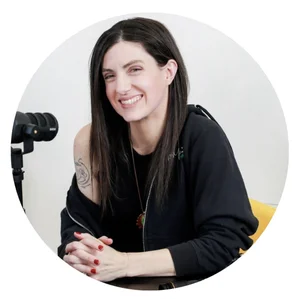
140. MyMaine Birth: Thankful for Whapio, a Presence of Reassurance and a Fountain of Information
Whapio: 0:00
My journey has taken me from oh working in photography and hearing the angels sing, having two births at home, all right. Knowing that I was going to be a midwife, just that was my little secret. I need I didn't even tell my midwife for a while because I know about timing, you know. So to having a 20-year practice, all right, in which uh I have seen very few complications, you know. I haven't had a lot of transports, I've only seen one hemorrhage. And some people don't even believe me because they're like, how how can that be? I mean, I I knew a wonderful midwife who lived out on the west coast, and and uh I loved her. She was a uh she was a nurse midwife, and she told me one time when we were just talking, you know, she said, Well, for every ten women I have five hemorrhages. And I said, No. And she said, Yeah, and for every ten women, I have four resuscitations. And she said, the way you practice, Wapio, is interesting, and I I appreciate it, but that wouldn't fly with me because I have all of these, you know, I have all these. I don't know. I don't know what's going on when you think about something like that. And then that's our midwifery community, too. It's not just the doctors saying five out of ten women are gonna bleed. This is a midwife who is well known and well respected saying five out of ten women bleed. And I realize we're normalizing complications, and that's not okay. You know, that's a that's a big red flag punctuation mark. When we begin to normalize, oh, that's normal. You know, oh, you'll have high blood pressure. That's normal. That's normal. Yeah, and we'll fix it, you know. So, and right now, uh the women, here's what's what happened. Women said to me, Okay, Wapio, you know what? 20 years you've been doing this. We have taught you well. I was like, Yes, you have. I have sat at the feet of many pregnant women and learned about birth, all right. And I have sat in many corners and knitted a hat while women gave birth, knowing that I was the presence of reassurance in the room, and that's all they needed. Okay, that's all they needed, and that's how I would show up for birth, all right. And um, they said, now you have to teach others. And I was like, I get you. Okay, because uh because we're changing. We're gonna change the field. All right, we haven't changed the field yet, we've just changed a little bit here and here and here and here and here, but now the whole field has to roll over, okay, and it's happening, as you and I know, and women today have incredible choices.
Angela: 2:59
I'm Angela, and I'm a certified birth photographer, experienced duela, childbirth educator, and your host here on the My Main Birth podcast. This is a space where we share the real life stories of families and their unique birth experiences in the beautiful state of Maine. From our state's biggest hospitals to birth center births and home births, every birth story deserves to be heard and celebrated. Whether you're a soon-to-be mom, a seasoned mother, or simply interested in the world of birth, these episodes are for you. Hi everyone, and welcome to this very special episode of My Main Birth. I hope everyone had a lovely Thanksgiving. Today I'm incredibly grateful, and I mean really thankful, to be sharing a conversation with someone who's shaped my journey in birth more than I can express. My mentor, Wapio. I'm so grateful for her wisdom, her guidance, her kindness, and the deep respect that she has for birth and women's sovereignty. Finding Wapio and the Matrona, the community that she's created, has truly been a breath of fresh air for me. And I'm so excited to share her words with you all. In this season of celebrating the things that we're thankful for, I want to say that I am truly thankful for Wapio. Let's dive in. Hi, Wapio. Welcome to my main birth. Hi, Angela. How are you? I'm good. Thank you so much for taking the time to chat with me today. It means so much to me. Oh, I'm so glad. I'm happy to do that.
Speaker 3: 4:44
Okay.
Whapio: 4:46
And, you know, I had I don't know if I told you this, but if I could live anywhere in the world, it would be in Maine. Oh, it's beautiful. Oh, I just love it there. I really, really do. And um, and you know, I'm too old now to live there by myself. Uh well, I live with my grandson, but he's not gonna be living with me forever. And I can't deal with the winters, you know, who was gonna shovel my drive away. Anyway, that's it.
Angela: 5:17
So now for anyone who might not know who you are, it still amazes me that I was just finding out who you were around this time last year and about the different programs that you offer and your amazing community, the Matrona. But for anyone that might not be familiar with it all, would you share a little bit about who you are?
Whapio: 5:40
Okay, so um thanks for asking. And uh I have been a midwife or and in the birthing realms for, I don't know, about 43 years now. Okay, I've seen a lot of things come and go. Uh, people ask me oftentimes, well, what have you seen in all of these years that you've been in birth? And um, what changes have there been? And I'm like, well, it's gonna surprise you because the changes are not in the caregivers, the changes are in the moms and the dads and the families that are reclaiming birth. That's the biggest change, and that's the most important change. That's the one I've been waiting for, you know, for many, many years in that sense. And and now we have options. Okay. When I was a young midwife, uh, well, actually, I I lived in Augusta, Georgia, where the midwifery renaissance had not come. All right. It was still out in California, and I so wanted to have um, you know, my babies at home for for just regular reasons that you would, you know, I wasn't even into birth. I just felt like I I had read a book one time uh about birth. And I thought, is this real? That you do women really do this? You you you get locked in a bed when you're trying to have a baby. And and you know, I was like in my 20s then and thinking, well, I'm not thinking about having a baby right now. But that I had this thought, like, but when I do, I am not going through this rigma roll. I and then and then, you know, later on, 10 years later, I'm 35 and I'm pregnant, and I'm thinking, well, oh yeah, you said you weren't gonna go, what are you gonna do now? All right, how are you gonna find what you need? And I at first I thought I wanted to be to be geared cared for because I do feel like care is a big part of prenatal, you know, the birth continuum. And and so I thought, well, I'll go to a doctor, but I want to be cared for by a woman, you know, because this is a this is birth. Well, the woman doctor that I went to, uh, she was very aloof and very uh just just professional, you know, and and and I like didn't like that. So I went to another OB. Same thing. All right. And I'm like, is this is this is this how it is? Yeah, you know, um I haven't been in a hospital before, like in my adulthood or anything. And so I'm like, is this how it is? Is this you know, you have women are not actually later on I did find out that women were not really appreciated in the medical model. A lot of doctors, even in the 80s, felt like women should not be involved in birth because they were too emotional, and so it so the back, you know, the backstory on that is then that all the mid uh the the obs now are very professional. All right, they're not emotional in any way, or they don't want to have an intimate relationship with you, and I I kind of did. So I found a doctor. I I like I was what is my strategy here? How will I do this? Well, I'll go in at the last minute and I'll leave at the second last minute, you know, and just minimize my time at the hospital. And I was like, oh, I don't know what this is, you know. And then I found a doctor that was uh that I liked. He was he was a man who he he saved the life of a nine-year-old boy at peril to his own. And when I heard that, I realized this is a person that can put others ahead of themselves. And that's what I want. I want that kind of an investment from a caregiver. All right. And um I really appreciated him. And I could say I loved him the way you love a caregiver. Oh, I love my midwife, I love my doctor, I love my lawyer, all right, I love my mother-in-law, whatever, that kind of thing, you know. And um meantime, I was working when I was pregnant, and when I was working in the mall in a camera store, this fella came in and he uh wanted to show me his birthing pictures, you know. I was at the register, I was checking him out, and he was like, our baby is so special. And I was sort of like, Well, babies are special, you know, because I'm six months and I'm well, I don't even, yeah. He said, Well, our baby was born at home. And I was like, you know, I was flabbergasted and the angels are singing now in the fucking in the mall and everything is, you know. So um, so I I ended up having uh let's see how what happened. Oh yeah. So I asked this fella who your midwife was, or how did you do that, or what, you know, and he told me about a midwife who lived in California, not California, uh Carolina, because I was in Georgia. And I called her up and she was aloof with me. I said, What is this? And then of course I I realized that I I did not have any idea before that that there was a political, a sociopolitical aspect of birth. I thought I felt like it, what somebody can tell you now where to where you can and can't have your baby and who you can and can't have with you. So anyway, I kind of lucked out and I found Bobby Nowell, and he sh pointed me to Ina May, and Ina May pointed me to like calling this woman, this midwife, you know. And uh I found out that she had to vet me because she was not legal or a legal, but she she didn't have a license. And I was like, having a license to have give a baby, help a woman give birth. Okay. So then when she came to visit us, I knew uh I knew I could feel it. Uh she was driving to our house, uh, which was an hour and a half away, by the way. She uh I could tell I was gonna be a midwife. I I knew it. You know, you know, the angels had quit singing, and my husband and I had you know talked about it even. And uh so that was my introduction into midwifery. I just knew I was gonna be a midwife, and that this is what I had been waiting for all those years of trying to find my purpose in life, okay? And then here it is unfolded for me. So I've had over all those years. I've apprenticed for three years with my midwife who um helped me with my babies. I had beautiful births, even though, especially for that time, that era, this is back in the early 80s, okay. Um, uh 82, 83, 84. I've apprenticed with her for uh three years, pretty much almost three years. And then I kind of went out on my own. Uh, I lived in Georgia, she lived in Carolina, okay. Um, and I went to birth with uh one of her apprentices for a while, and then and that that didn't last because this was a woman who really wanted to uh serve people, and I not that I would uh I wanted to be a midwife, she didn't, okay. She just wanted to go to birth. I just wanted I felt like no, I want to just do the whole thing. I want to be available for every woman's needs, so I am going to do what a midwife know what a midwife would know. Okay. And uh so then, you know, I practiced for a couple of years, about five years, and realized very quickly though, actually, I I wasn't a lot like other people. I didn't practice the same way as other midwives did. And I didn't know any other midwives hardly. All right. Um, man, many of them, I I would go to Atlanta. I lived in Augusta, but the closest midwifery kind of community was Atlanta, Georgia. And um, you know, I I uh I I went there. Uh I would go to conferences. My midwife uh would teach me things, you know. She said to me though, well, I will take you to births with me, but I'm not gonna, I'm not your teacher. I'm not really your teacher in the sense that I'm not gonna, you know, give you classes or anything like that. You have to teach yourself. There are plenty of good books out there. You can teach yourself. And if you have a question, you know, the long arc rotation of a posterior or something like that, well, you know, I can we can talk about that, but I am I'm not giving you lessons. So I say that I'm self-taught, but actually I've been taught by many, many amazing women who wrote books like Anne Fry, Holistic Midwifery, Helen Barney, Midwifery. Uh you know, I I read all these books cover to cover, everything I could get my hands on. Um I'm reading High Risk Neonatal Tear by Ann Streeter. You can buy it, you know, it's a textbook, but you can buy it. I saw the other day on eBay for three bucks. I read it. Okay. I wanted to know, I wanted to be that veritable fountain of information for people. I wanted to have a point of reference for anything. I didn't expect that I would know everything, but I wanted to have a point of reference. And um so then after about 20 years in practice, and I had a very lovely, I guess you could say bucolic practice, you know, I didn't take a lot of clients. I mean, there weren't a lot of clients actually back in 1985, 86. Okay. So um, so I had a very slow uh, you know, practice where I could spend a lot of time with women. And um, I did a lot of the Southeast. I did about two hours away from you know where I lived. All right. There were no other midwives in some of those towns. And um I realized that I also I'd go to conferences and I would realize that the focus of a lot of conferences was the complications, you know. How do we deal with this and how much how much blood is a hemorrhage? And and I was like, wow, that's interesting. I don't, you know, that's kind of not what I built my practice around. Uh, you know, what could be complicated? Um, we talk about that, but uh I didn't see a lot of complications. I didn't have a lot to offer, you know. I mean, well, what did you do when your baby did this and that? And what have it was like, and in in my life, I've only seen one hemorrhage. And, you know, we're talking about 40 years plus here. I've only resuscitated one baby at a birth, okay. Uh, and I felt like, well, what's going on? You know, I'm not practicing like my colleagues at all. I don't, I'm not having those things. And I attributed to the fact finally that it's because I spent a lot of time with women. And I gave them a lot of time, energy, and attention. T, I called it T-E-A, time, energy, and attention. And I felt like women, they didn't need to have those complications. They didn't need them. Uh, you know, complications are not mine, they're the mom's. And if I attend a woman at birth, this is her birth, she orchestrates it, it's not my birth. And if she wants to have a hemorrhage, that's I will bring everything I can to bear on it, you know, to help her with it or to do what she wants to do. But I'm not gonna tell her how to have a baby, you know, I'm not gonna tell her what she should or shouldn't do. I'm gonna be a fountain of information and and she'll tell me what she needs to know. I didn't put I didn't keep records the first time I went to see you. I didn't keep a record on you. I wanted to just hear you, all right. And then later on I go home and write things down or whatever. Okay. And um, I mean, I became known in my community as the lady who goes to home stays home with you at birth, the lady that sits with you at birth. And then as we got more real about it, and midwifery all of a sudden became like a another option, uh, well, most people would call what I did midwifery, even if it was very low impact hands off. But you know what? The payoff was that I spent an hour taking a walk in the park with women rather than an hour doing a glucose tolerance test. And you tell me which one facilitates and nurtures a mother more. And my whole thing was all about nurturing moms and and having them be self-directed and having a deeper connection with them and having um truth and trust as a basis for for our care and um understanding more and more that birth takes place in an altered state. All right. Women have the option to go into an altered state, all right. Oftentimes, if you leave women alone, they will automatically go into a deeper, um, more expansive state. Actually, what's the value of an altered state? Your your perspective becomes uh and widened, widen your gaze, okay? And I felt like um women taught me a lot about birth, you know. The second client, maybe, maybe third or second client I ever worked with was a Mennonite lady having her eighth baby. And what am I gonna tell her about birth? I'm gonna sit at her feet and learn. So I did, and um, I got a lot of birth uh interest in like um like the Mennonite folk who were delightful to work for, the um the Baptist uh folk who wanted to have lots of babies at home, right? Um, and I felt very it was just a wonderful niche to be in, to be with women who accepted the nurturing that I was willing to offer, wanted to have what I call a soul-level connection, because you know, when you are in the pregnancy continuum, the whole childbirth continuum, your access to altered states is you just drop right in. It it the veils are very, very thin here. And I appreciated that. And um, so that was my entry into birth, okay. And I wasn't a clinical midwife. I think if it if birth was clinical, I wouldn't have chosen that as a vocation, as a calling. I wouldn't be called to birth, okay? Or I would be called to birth maybe in the way that I was, which is undisturbed. When I found me Dr. Michel Odon, it was like, okay, we're talking the same language here, and you're helping me encapsulate what's going on. Women, and and it's come to today, all right, that women tell me they want their own birth. All right. They don't the the whole crux of it is it's not like we don't want to have a midwife or a doula or someone, a birth attendant or a birth witness, all right. We do. We just want that person to sit on their hands and they want that person to listen to us instead of us, you know, having to listen to the midwife. We want the midwife to have to listen to us and what we want. And is there anybody out there, Wapio, that that feels the same way that is a caregiver that would sit with you in labor without having to be the center of your labor, would sit with you during your pregnancy, part postpartum, and birth, rather than having to be the center of it and be the the leader here. And um, I was thinking the other day about Helen Varney. She passed away, she has written the book Midwifery, which is the standard of midwifery care for nurse midwifery, all right. Um, and she used to call it nurse midwifery, but now that she has realized that there are many, many women, she's passed away now, but um recently, and uh there are many, many women looking for more home birth and more midwives who will attend them at birth, she says to her students, all right, home birth. I I've seen her evolution also, you know, in her first edition, second, third, fourth, each time she comes back with a little more information about home birth. The first time it's like three pages, and now it's like 30, okay, and or more. Uh, and what she tells her her student midwives is, you know, some midwives are suited to women who have home births, and some midwives are not. All right. And if you are going to work with women who have home births, we we're not saying that you can't, but you have to be prepared for a different kind of woman. You have to be prepared for a woman who is not going to want you to be the center of her birth. So not a lot of midwives, not everybody listened to Helen Barney, okay? And some midwives do have a very clinical practice. But Helen Barney was acknowledging that women want something different, all right. And if you are one of the people called to help her, a woman and her family, you will probably have to step back. All right. So there, you know, it's come full circle, although I realize that a lot of Helen Varney's uh students are not suited for home birth. All right. They need to be the center. They st they still want to be um and and see, this is one of the things that women taught me really early on was that we don't need you to be the center of our birth. In fact, we want you to switch roles with our partner. We our partner want we want our partner in the center with us, and we want you on the edge. How's that? And I was like, absolutely, because you know what, I had two babies, and that's exactly what I wanted. I would like it. My midwife could have flown away, actually, even, but if she was there, I would have liked her to have just been a witness, you know, a witness. And even though I had a really good birth for the times, okay, I still didn't have the birth that I wanted, you know. Uh, and I see that with women too. And uh Margaret Mead, who was a medical anthropologist in the field of maternal health and and maternal fetal health, has pointed out that birth control is necessary for the women who live in Europe and uh uh uh you know, the United States, North America, that there's birth control is an issue. And she she said that when I have traveled the world and looked into birth and indigenous communities, I don't see that they have the need for birth control. They don't have a baby. If they don't want a baby, they don't have a baby. They wait two, three years or whatever. And she said, you know, what's the but what's the denominator here of why in these developed countries we have so much emphasis on birth control, whereas in the in the indigenous world, and she said, the only thing that I can see that creates that is that women in the indigenous world have satisfying births and don't feel the need to do it again right now. They have gotten what they need from their births and they're satisfied. Whereas in Europe and the United States and North America, women are not satisfied with their births, and their body is coding now to do it again, do it again, get it right, get it right this time. And that's what we're seeing a lot of. And that's brilliant that she kind of put that together. You know, women are not satisfied with their births, and and they have every right to be. And birth is not a process where you get a product at the end of it, birth is a journey of transformation where a woman learns to switch from her external compass of all these, you know, things that want to help her, even that she switches over to her own internal compass. And this is a time when that really happens for a woman. All right. And unfortunately, we we don't understand that, and we kind of take that away from a woman. And then a woman, see, this is what women tell me often often is that I don't know what it is that I missed, but I feel like I missed something off you. I mean, I had a good birth, according to standards, you know, and I liked my midwife a lot, but I didn't get something. I I feel like I didn't get it. What is it? And I I can tell you, you know, somebody out of either love or unconsciousness or the desire to do this has kind of taken your birth away. Um all right. They have put you put put themselves in the center. They are the star of your birth, all right. And that's what's and what's happening is this whole journey of transformation. You come out feeling transformed. You do, you make an act of will in birth. You you you show it's amazing what happens in birth, in order to give a woman the the courage and the the um commitment to be a parent, you know. So anyway, my journey has taken me from oh working in photography and hearing the angels sing, having two births at home, all right, uh, knowing that I was going to be a midwife, just that was my little secret. I need I didn't even tell my midwife for a while, because I know about timing, you know. Uh so to um having a 20-year practice, all right, in which uh I have seen very few complications, you know. I haven't had a lot of transports, I've only seen one hemorrhage. Um, and some people don't even believe me because they're like, how how can that be? I mean, I I knew a wonderful midwife who lived out on the west coast, and and uh I loved her. She was a uh she was a nurse midwife, and she told me one time when we were just talking, you know, she said, Well, for every ten women I have five hemorrhages. And I said, No. And she said, Yeah, and for every ten women, I have four resuscitations. And she said, the way you practice, Wapio, is interesting, and I I appreciate it, but that wouldn't fly with me because I have all of these, you know, I have all these. I don't know. I don't know what's going on when you think about something like that. And then that's our midwifery community, too. It's not just the doctors saying five out of ten women are gonna bleed. This is a midwife who is well known and well respected saying five out of ten women bleed. And I realize we're normalizing complications, and that's not okay. You know, that's a that's a big red flag punctuation mark. When we begin to normalize, oh, that's normal. You know, oh you'll have high blood pressure. That's normal. That's normal, yeah, and we'll fix it. You know. So uh and right now, I know this is going on and on here, but right now I've the women. Here's what's what happened. Women said to me, Okay, Wapio, you know what? 20 years you've been doing this. We have taught you well. I was like, Yes, you have. I have sat at the feet of many pregnant women and learned about birth. All right. And I have sat in many corners and knitted a hat while women gave birth, knowing that I was the presence of reassurance in the room, and that's all they needed. Okay. That's all they needed, and that's how I would show up for birth. All right. And um, they said, now you have to teach others. And I was like, I get you. Okay, because uh because we're changing. We're gonna change the field. All right. We haven't changed the field yet. We've just changed a little bit here and here and here and here and here, but now the whole field has to roll over. Okay, and it's happening, as you and I know. Uh, and um women today have incredible choices. When I first started back in uh uh 82, um, well, you had the hospital and it and birthing centers were just coming along. Women, you know, there weren't very many having women having babies at home. Okay, and usually it was in the religious sect. Um, there's a book out there by Marilyn Moran, it was in the 50s, and she really got it. She talked about how in a good Christian family the father holds the charge, and therefore he should be the person that that catches that baby, that light that's coming forth between these two people. And that it was just very religious or spiritual component of that. It wasn't, oh, and there wasn't any physiological physiology attached to it, except her saying we had to see very few complications when we turn it over to um, you know, natural instincts and God. All right, put those together, and you have a perfect recipe, and here you are, the midwife, to to um witness that, to witness that for us, and once again, to be the presence of reassurance in the room, and that's what we need you to be, and that's how I would show up. And you know what? After I after I understood the the Hispanic phrase for um giving birth, darus, giving the light, giving light, I never caught a baby after that. I realized I didn't put that light in there. That's not my light, that's not my my life that's unfolding. And I never I I sat in the corner where she could see me. Didn't want her to think I was sneaking up on her. I I I did what she asked me to do, and I got out of the center and went to the edge, and I just wrapped my wings around this whole birth, you know, and dads caught their babies, and I felt like wow, and I still feel like dads should catch their babies if they want to. I mean, I I don't want to have any ideologies about birth, like we should do this, and you should have a baby at home because shouldn't you should do what you want to do, that's what you should do, I guess. That's my only ideology. Do what you can do and learn from it and take your transformation. And if you don't want any transformation, that's okay too. And the Matrona has become a place where we foster every kind of birth that you can imagine. If you want to have your baby in that stream outside, if you want to have your baby under that tree that got hit by lightning, if you want to have your baby on the kitchen floor, if you want to be, you know, if you want to have a baby with me in the other room or in the car or or whatever, this is your birth. And when Michelle O'Don um came along and started talking about undisturbed birth, it's like that's where it's at, okay? And it could it could be assisted, it could be unassisted, it could be like I said, any way you want it to be. If this is your birth, orchestrate it. And be, you know, and one of the very important things about choosing uh uh a caregiver is to be really careful because you will change are 98% of the time, I don't know, whatever, 95, 82, I don't know, percent of the time, you will get the birth of the caregiver. All right, you will not get your birth. You may have been respected and had time, energy, and attention, but when it actually comes to the birth, there's a lot of mixed messages. All right. Women are told, oh, you've got this, or your body knows how to birth, or you your body was made to do this, or you got this now, girl. And then in birth, we're telling you what to do, you know, as if what happened to you, you got this, and what your body, your body needs to know exactly what to do, not just what to do, exactly what to do.
Angela: 35:20
Here in Maine with the licensure laws, a lot of women are going into birth and they're thinking one thing, but then the midwives have these other things, you know, that they that women aren't even aware of that are coming up in birth, these kind of like walls that they're hitting us like, oh, we can't stay home anymore because of this or or whatnot. And I feel like those restrictions and more women finding out about those restrictions has led to a rise in the number of families free birthing. And I'm curious with everything that you've seen to bring it back a little bit, when was the first time that you heard about the term free birth? And what were your thoughts about it then? And how was it received in the community?
Whapio: 36:00
Okay, so um let's see, I was practicing in the 80s. Uh I went I had my first child in 82, and then I saw and I started practicing, you know, studying then, okay. And then I had an another child two and a half years later. Okay, so that was my apprenticeship pretty much. Uh and as I say, back then it was sort of like birth in the hospital. Home birth was like, you know, kind of shy. Then the birthing center came and people began to maybe understand more about oh, women want something different, they want a little bit more humanity in their birthings, okay. So birth centers came out. They didn't have much else. And Matt, nobody was reading Marilyn Moran about, you know, the the father's role in birth, okay, as being huge, all right. Um, and but there was a woman named Janine Parvati Baker, and um she was a proponent of keeping women out of the system. She suffered for two years with uh hep C Hepatitis C, uh, died in you know at the age of 56, and believed it was because she had she was RH negative and she was given Rogam, and she got the hep C from the Rogam. And meanwhile, she had written some some very uh very cool books. She had a one of the first books on prenatal yoga. She had Hygia, which is a woman's herbal, and she wrote a book called Conscious Conception. And I looked on the I looked this morning on the e on Amazon, and her book, uh Hygiea, is selling for $1,200. Conscious Conception was $350. The, you know, we have have Janine to thank because she was the first person I heard ever talking about a free birth, all right, with no one there. And she free birthed her twins at home. Okay. And um uh I I I can't I can only imagine what she'd be doing if she was still alive. Okay, I think she she uh passed away at 15 56, I think. Yeah. Anyway, that's where I first heard home birth. And I thought to myself, wow, would I do that? And um the more I thought about it, the more the more I thought, well, would I do that about it? See, I I was already practicing at this point, okay. And um nobody was taking it seriously, free birth or or something like that. People blamed it completely on not being able to find a caregiver that was what they needed. And I was like, no, that's not it. Many women don't, it's not because we couldn't find somebody else, so we had to, you know, that was there, and that is a certain percentage of women who are like, yeah, we we didn't find anyone that we felt would be comfortable with in our own home, all right. But uh that's not the only reason that people that women had free births. Women had free births because they recognize the fact that this is a journey of transformation. They want to change from external compass to internal compass. They want the the essence of the transformation of birth, of this journey. They want it, they want to make an act of will, right, and summon themselves all right to the top of the mountain and pick up their baby and bring it home, or so um free birth then was kind of considered even among you know the the midwives, it was sort of like, well, that and that was another thing. There was this big ego thing about it. Well, what do you mean you don't want us at the birth? Or what do you what do you mean you don't need us? And what do you, you know, and it was all like, no, you're getting it wrong. We would love you to have come to the birth if you can be what we need, if you can let go and not bring the clinical milia into our birth, not put us on the clock, if you could just be our witness, our presence of reassurance in the room. We would love to have you there. Just just about a month ago, a woman told me that uh she said, Wappio, do you have any tips for me here? She said, I love my midwife. I'm even studying with her. And I asked her, I said, you know, I and I've had a beer birth before, so I know the ropes. And I've asked her if I could have like an undisturbed birth at home and that she would be there because I didn't want what you call a free birth. I wanted a birth where I was free to do what I wanted to do, but I want you as a midwife there. I love you. I want to share my birth with you. And she said, So could we do that? Could you not do heart tones unless I asked for it? Could you not do vaginals unless I want that? Could you just not be the center of my birth? And her midwife said, No, I'm sorry. I can't be that for you. I have protocols. And she said something about we tried that one time and it didn't work out. And she said, Do you have any tips for me? What what what should I do? And I said, Well, okay. One of the most logical things that you could do is well, it depends on where you want to plug into this and and whatnot. But you can just call your midwife late. You know, you can call your midwife after after the birth, or you can call your midwife when you start pushing, all right, or you can call your midwife when the head is showing. Okay. And if you do that, if if enough women do that, we'll get the message. All right. We'll get the message because I couldn't call you for my birth because you wouldn't bring the right energy into my birth. And and this woman was like, Well, should I keep going at it or should I just capitulate? You know, she said her exact words were, should I die? I do will I die here on this hill alone? Kind of, you know, and I was like, No, I would keep keep pushing it because the more we push it, the more it'll come into reality. And more and more midwives will will understand that. Do we need midwives? Women in birth. I I mean I've said this before, and it took some heat for it, but I don't think midwives need you the way you think they do. I think the midwives need you to be a witness, all right? A witness to them and be there in case they need you. And understand that birth is not some sort of process that we get a product at the end of it. It's a journey of transformation. And that's where what women need and call that a midwife, but that's not what a midwife is in many ways today. As you said, um, a woman can call herself a midwife, but then there's a gap between what happens in the prenatal care and then what actually happens in the birth. And this is what a lot of women tell me. There's this gap there. And they weren't, they were in a position then where they were vulnerable, didn't want to argue with someone over the their body and their baby. Uh, their husbands were like, What should I do? I don't know what my role here is. Um, I know she's gonna be angry because somebody need to say something, maybe it's me. Uh, but she's the stuff that's happening to her is not what she wanted. Should I step in? Should I not step in? Dads are confused about what to do, all right. And um that's why, you know, the Matrona exists in the sense that women said, we want our partners in the center with us, not you, Wapio. And I was so happy because as I said, that's kind of what I wanted. I didn't particularly want a free birth. All right, it wasn't really on the table when I was birthing, uh, you know, back in the 80s, but it was coming along. And then, you know, midwifery kind of took a jump in the sense that, oh, okay, there are midwives. And, you know, the medical model said, well, don't worry about it. It's a hippie phase, you know, undisturbed birth or what free birth or whatever all that nonsense is. It'll pass. Well, no, it didn't pass, all right. And then doctors and the medical model got a little bit worried. So, what should we do? Because women are having births outside of not just outside of our realm, but outside of getting any prenatal care. And giving yourself prenatal care, that doesn't work. I mean, you know, this is the the understanding in the in the medical model. So then the medical model did a very savvy thing. Um, the medical model said, oh, midwives, you guys are great. We need you, we need you standing with us, and so we will we will train you, all right. We'll make a monoculture of birth, everybody births the same way in the hospital, all right? Or if it's at home, there it you know we're not trying to have a home birth, uh hospital birth at home. This is not this is not the answer, okay? This is not what we were doing. So anyway, all of a sudden, then uh something shifted. All right. Something shifted where once again women woke up and are claiming more about of their birth. It's not just about midwives, and maybe it could have been, you know, when when midwifery first came out even as a as an option, like when I was in the it was in the 80s, early 80s, okay, and and late 70s and so on, Michelle O'Donnell wrote his book, I think in 80 80 or 80 something, talking about birth reborn, how how the demedicalization of childbirth, okay, and how birth can look in his birth reborn book. All right. And so we shifted, and I we don't know why, but we all of a sudden we started talking about having your baby at home by yourself. And then uh some people picked it up as a a crusade, all right. Um yeah, I think I think uh the the most natural and safe birth for a woman is the birth that's natural for her, the one, the place that she feels convicted and and confirmed with. And if if you know, should I have a home birth? It's now should I have a home, should I have a free birth? All right, instead of having a home birth, now it's like that, it's shifted into that. Where are you having your baby is is a very relevant question that wasn't a a thought in 1956 or 66 or 76. Of course you're having your baby. You mean which hospital are you having your baby in? And then all of a sudden, the turn of the century, 2000, brought on some kind of new thing where we began to look at birth again. We needed a new paradigm of birth. All right, the midwifery model of care had its limits, okay? And many people would tell me that um I love my midwife, but at the end of the day, and the end of the at the end of the day and at the end of the um prenatal, it was the same thing I heard in a doctor's office. You'll have these tests, you'll do this here, you'll eat this diet, you'll, you know, only nicer. Okay, and not so patriarchal and patronizing. Okay, so what I'm saying is the same thing. Oh, yes, we need midwives. Of course, we need midwives. They they are precious to us, but we need midwives who can be guided by women rather than women be guided by the midwife, all right. The midwife stays out of it until she's called in it by you, by the midwife, by the by her own instinctual responses to birth. And that's relevant. Her own responses to birth, and there are caregivers that believe that their responses to birth are more important. All right, what do we do with that? Well, yes, that can make women say, I don't want a I don't want a caregiver. And I saw this meme, and I don't know who it was anonymous, but it said a woman's greatest risk in pot in childbirth today, her greatest risk in childbirth today is her choice of caregiver. And that's true. That's true. All right. So um at the Matrona, we'll stand with you. I mean, we'll teach you as women come, they want to know all about birth, they want the physiology and they want the psychology of birth, they want the practicalities of birth, and they want the wisdom keeping of birth. And I do anyway. And I think I'm a good poster child for not having a lot of complications. I didn't. And and it's not me. It was the women. The women were nurtured, the women got what they needed, the women were listened to, the women were, you know, able to guide their midwife to a birth, to what they wanted, rather than the midwife you guiding them to how she gives birth. All right, and what here it is women give birth, they're not given birth, okay? But the current state of midwifery today is you are given birth rather than you are giving birth. And free birth is a wonderful option. Uh, I hear wonderful stories. Um, I I don't hear a whole lot of stories that make me, you know, where do most babies die? In hospitals, if you will, I honestly. And I think you're there's always going to be some something, no, no, nothing is perfect in the sense of no, we don't get everything we want. But I feel like uh a lot of women get what they need, and if they are getting what they need, their births unfold in a very unneedy way. They don't need that hemorrhage. And you might say, Oh my god, what I'm listening to, what am I listening to here? You don't need that hemorrhage. You don't, you know, it's optional. And uh, who's to say that a woman, you know, one woman midwife told me, she said, I thought I see hemorrhage as a woman's uterus crying. And I'm like, whoa, I have never thought about that. But okay, why? Why would a woman's uterus be crying? Because she's not getting what she needed in her birth. It's a process that gives you an end product that is alive and healthy, all right? And we're missing something really big here, and and free birth is beginning to fill that gap of understanding. Women are taking a look at well, why do I want a free birth? Why do I need a free birth? Why won't my midwife give me a free birth? I don't really want a free birth. I want my midwife there, is what this woman is saying to me. But she can't make that investment in me. She had to be invested in her license and in her colleagues. All right. Do we need that? Is that really midwifery? Of course we need midwifery. Women want women it's the oldest thing in the book, okay? Having a a a baby and having given care, all right, and not abandoned in any way, and women caring for each other. All right. And remember that when you lived out on the prairie all those years, you know, and we're the your midwife was the closest woman to you, all right, who lived closer than five miles or something, okay? So free birth is part is part of the spectrum, all right? Locked up tight hospital birth versus free birth and everything in between. Moms have a whole speedometer here that they can choose from. And um, and I show up as the presence of reassurance and the fountain of information, and that's what we do at the matrona, all right. Um, the matrona is that woman who sits and knits in the corner in the Hispanic tradition, okay. And the there's the obstetra, like the clinical midwife, and then there's the matrona, who is the grandmotherly midwife who tells stories and and knits, okay. And um a woman should not feel any guilt or any shame or any negativity regarding her choices. I I think that that's unconscionable, untenable to shame a woman for her. Oh, so you're not gonna go for a wild birth, huh? Or you know, oh, and that's what's I I talked to Nathan Riley lately, and he, well, a while back, and he was telling me that it it's not being called free birth anymore, it's become becoming wild birth. All right. Now that you're you know, primitive birth and back to basic birth. And I'm like, yeah, okay, that's fine. Um, and you know, I'm not gonna uh get too hung up on the nomenclature, you know. I know what women want. You know, we can call it a free birth. I liked undisturbed birth, I think that's what we're claiming. Is uh and are there midwives who can help women be show up for women without being needing to be, as the venerable Helen Varney said, the star of the show, the center of a woman's birth. Women are looking for that kind of midwife. Can you be that midwife? You'll find them at home. All right, women who give birth at home are often that kind of person.
Angela: 55:23
And these days, with the way that the term midwife has become one of the system as they now train midwives, a lot of the women that are doing this aren't really even calling themselves midwives because what technically we would be doing isn't even like the definition of a midwife these these days, right? It's the definition of a midwife would be more of something medical. You know, the system has co-opted almost. And so it's yeah, we so it these other terms, um, I like how you kind of use like monetrice or like something in between a doula and a midwife is what I feel like some women are looking for when the midwife relicensure limits. I know here in Maine, women who are pregnant with twins and anyone who has a breach baby, some of these women are going to home birth anyway, and they're just they're not able to invite, even if they wanted to, uh a qualified, experienced, trained, licensed midwife. So I feel like that kind of puts them in this, in this hard spot of looking for someone else that can be with them, you know, in a home birth setting, but is still, you know, going to going, they want their birth, you know, is what I keep hearing from women. They want their birth, they want a birth their way, and like who is going to stand with them in that? And that's it.
Whapio: 56:48
Women want their own birth. They don't want their sister's birth, they don't want my birth, they don't want your midwife's birth, you know, they don't want their doctor's birth. So who will and then the question comes, who will stand with us? Because we're not all about free birth. We're all about maybe undisturbed birth. But free birth, well, whatever that is, you know, some people are like, you know, you just do it without a caregiver or, you know, or something like that. Uh and, you know, or or a licensed caregiver, or, you know, just you and your doula, okay, or um you and your monitrice or s or something. Yeah, we did start a monetrice program. You know, when I was a baby midwife, there were lots of monitrices. They were childbirth educators, but they were they had an advanced level. They knew how to check cervixes, they knew how to listen to heart tones and uh interpret them correctly, they knew how to uh uh estimate the progress of labor. Okay. Um they were able to palpate a baby and understand position and things like that. They weren't meant to be high-risk practitioners whatsoever. If there was a problem, it was always referred to uh uh uh a more medicalized, a more medicalized experience, okay. Um the monetrice was often someone who came to the birth, and um today we it might be different, but the monetrice would come to your birth and she would stay with you, and then when you wanted to go or when you were she thought you were ready to go, you would go to a hospital. So a lot of times monitrices were going to the hospital with the woman as well. And um uh and it some women would have a private caregiver, okay, in there like a hired a midwife, but you're also hiring a monetrice because a lot of midwives are very busy, they don't have the time to give you the T E A, all right. Um, and the lone, you know, and the walks in the park and things like that. One one midwife told me, I don't have time for walks in the park with people. And I'm thinking, well, will you have time for a con? You know, it's not for me to say, but will you have time for a uh complication? Okay, I feel like that's why I haven't had seen a lot of complications in my lifetime. Uh I gave women lots of T E A, and uh I approached them as my guide. You know, you guide me, I don't guide you. And if we're going to have a rite of passage, you guide yourself. Okay, so I can completely move out of that. And you know, so for some women, that's what they're missing. They're missing this the shift that happened into the I'm still under the guidance of an external force here. I didn't get, I didn't make my act of will, I didn't get, and for some women, it's like I don't even know what I didn't get, I just feel empty in this place that there's something. In me that hasn't been fulfilled. Right, I think it's an important thing to continue to open our perspectives about birth, period. Because if we could understand the magnitude of birth, the things that we do to women, we would never do. You know, if we understood the magnitude of the journey that this is, okay, rather than a process of something, you know. And we're getting closer, but but you know, it before a change, things often get really tight. What I have seen in the past 40 years is that women are bothered more and more and more. Okay. And um, I read it, let's see, it was about five years ago. I read a study where in Canada where hemorrhage was on the rise. And um, so they did a study to see why is hemorrhage on the rise. And they couldn't exactly come up with an answer, but the but the um solution was more drugs and more monitoring. And so now every in Canada, in many places in Canada, uh licensed midwives have to come in two even. You know what I mean? You have to have two of them coming to the birth.
Angela: 1:01:27
At least I started here in Maine, too. You have to have two midwives.
Whapio: 1:01:31
Really? Okay.
Angela: 1:01:32
Yeah.
Whapio: 1:01:34
You know, so that's a that that right there is a whole pivot of your birth turning on into the clinical. There's two births here now, you know, and two, I'm sorry, two midwives here now, and they're here to do their job, and their job is to manage you. One of the things that I will say is with undisturbed birth, or free birth, or wild birth, or unassisted birth, okay, or home birth, you don't make decisions for your clients. Okay. You don't practice medicine and you don't practice midwifery. All right, because if you do, you become a clinical practitioner and therefore you become responsible on some level uh when there's an outcome that is not what people expected. Okay. You never, as a as a doula, as a monitrice, as a birth sitter, as a midwife, I don't make decisions for you. I am a wealth of information. I will answer any questions. You can ask me what I would do, I would tell you what I would do, but that's not you. And I I am not making your decisions for you. This is forward moving. All right, because we do have people who want a home birth, but they're not willing to take the um the responsibility of the outcome. Okay. You know, you're saying I don't want to be disturbed, so we're not going to disturb you. And if something is missed or something like that, you know, you we're the Amona Trice is there to give you her um observations. A midwife there is give you their observations. It's not meant to change your birth, it's it's to give you the options to what do you want to see to do here? Oh, your baby is breach. Oh, do you want to go in? All right, rather than oh, your baby's breached. But you know what? I've done uh I've done a lot of breach births, or I've took a take a great workshop with Dr. Fieschbein and all of that. So I'm pretty comfortable with birth with be with breach. Well, that's that's good, that's information, but that's not your decision to make. Oh, okay. Or to talk her into something or like that, you know. Um the whole idea too of the monetrice is that well, what if you're a doula and the baby's coming and your midwife is in traffic because you live in Chicago, all right? Wouldn't it be nice to know w what happens here? All right. What is the two of the biggest things that happen that we are, you know, punctuation marks with are um breathing, is the baby gonna breathe, and bleeding, is the mother not gonna, you know, not gonna bleed. And so we do want to offer a program in that. We do want you to feel comfortable if a baby is being born, that you don't, you know, that you don't lose your your confidence in birth. Okay, and if you for me, if something is a variation of normal, uh the parents have a right to know your observations, that's why they hired you. Part of it is for you to give them observations, okay, so that they can make decisions, but uh, we don't make anyone's decisions for them. All right, never. And don't. Uh, I agree. Why should you? Uh and I realize also that this is, as I said, very forward thinking when a couple comes to you and says, I know you have a lot of birthing knowledge, I would like to invite you to my birth. Uh and um, you know, your question to them is, okay, so what is your responsibility here? What do you feel my responsibility is is? I always ask women that and families, and I also understand that in our culture the dad holds the charge. All right, and if the dad says, I think we should go in. Uh you you may disagree, or the mom may disagree, but the dad has the final issue because the dad is considered legally and lawfully and familiarly and spiritually and religiously and socially to be the head of the family and to be the decision-making person for this family. So I have no problems with that as long as we're talked about it. Um traditionally, monitrices did not um, they they were working with women who had another caregiver in the sense of we want you because we don't want to go in too soon. You know, we want you somebody to check our cervix and we, you know, or tell us, you know, it's time to go now, you'll be pushing soon, or you know, you're in transition, don't worry. That's what's going on. It's intense, okay? Uh, or things like that. But um, yeah, so we have come a long way. I don't, I don't really know how far over we can go anymore with, you know, free birth and and uh wild birth. I think it's great. I think women should I think we should listen to women and hear what they want, they want us to hear and and tell, you know, and be a fountain of information. And I think there's a place for everything. I think our our our mantra at the Matrona might be uh learn everything and use it wisely. All right, that's how it stacks up for me. Um, and yes, I would like to see more sister midwives who said, yeah, I hear that from my clients too. Is it working out for you? Yeah, it is working out, isn't it? I can see a shift in birth. Women are are are are capable of doing what we told them they are capable of. It's actually happening. All right, but for that to happen, we need to step back. All right, we need to step back and further and further and further. And I think that's what we'll be doing. And I also don't think that if midwives don't do it, all right, if midwives don't see what we want here and see the magnitude of birth, uh, midwives will be relegated to high-risk women. Women who are normal and not have any risk about it, then, you know, will not want someone who needs to be the center of my birth or who needs to, you know, have a hold on me, or who can't, you know, practice without being the center of a woman's birth. That then I think women midwives will be just relegated to high-risk clients who need someone to manage them.
Angela: 1:09:06
Well, this is where I think it's almost a little bit backwards here, because there's a lot there's quite a few women, I feel like, that are with the like opting out of this range of where the licensure allows here in Maine, um, which is only the normal like births, you could say, but any these higher risk like breach twins, and then having had a C-section within 18 months or more than one C-section, they they're not allowed to work with these Midwests. Who, like, would you consider those categories more high risk? And I, you know, like what advice, I guess, would you maybe have for some of those women who are in that sort of tricky place that do really want a home birth and want to lead their own births, they want their own birth, but you know, maybe they would like that midwifery support there, like this hard place.
Whapio: 1:09:59
There's a lot to be said for variation abnormal because birth is unpredictable and um people are very frightened of, you know, variations because variations could lead to complications. Okay. And I feel like my stand on that is the first thing is to give this complication uh or this variation to the mom and saying, This is what my observing. How do you want to, how do you feel about this? All right, or or you know, something like that. Um I feel like we are on a slippery slope. I think the the the woman I told you about that said, I want my midwife at my birth, but I don't want her to manage me. And you know, I'm a good case for asking for that because I've studied midwifery and I've had a and and you're my good friend, and and I work study with you. And you know, I'm I I can't understand why you wouldn't give that to me, you know, but the medical model has um locked it up. All right. And okay, women have the right to make a decision where they want to give birth. I am asking women to do this. Years ago, your sisters fought for informed consent. In the 60s, there was no such thing as informed consent. In the 70s, it was beginning to be tossed around. I don't want the, you know. Uh in the 80s, we're still fighting for informed consent. And um doctors are like, what are you talking about? Informed consent? What does that mean? Because doctors were like, you mean somebody wouldn't do what we told them to do, or somebody didn't, you know, and we're like, Yes, we're we're saying to you, you can't put your hands in someone's body if they disagree with if they if they don't let you, all right? You can't give somebody uh Pitocin unless you let them all right do that. And and so women have to be brave and strong. Informed consent was, you know, we now have it, all right? It's on every patient bill of rights. Um, what I feel though is this that if we don't use informed consent, we're gonna lose it again. We're gonna lose it. How many midwives do you know, or doctors or or whatever, who also say in their prenatal care in their first visit, you know, there is such a thing as informed consent, and here in this practice, we cannot do anything to you that you refuse.
Angela: 1:12:51
Nobody says that.
Whapio: 1:12:53
Nobody says that. Yet we're all about it. You know, the this is where the holistic model of care has left us. It's hung out, threw us under the bus, okay? Because at the end of the day, it sounds like a doctor. Okay. And um, who's gonna change that? You and I? I don't know. Women, yeah. Consumers, yeah. People who are who are wanting their birth, yeah. They just need reassurance. All right, some women are afraid to though say, I can't be responsible for my birth, though, you know. That's fine. You don't need to be responsible if you choose a different kind of caregiver. There are caregivers that are happy to manage you and willing to manage you. And if you want managed care in our country, you get a choice, managed care or physiologic. So let's talk about this. Anyone talking to parents about birth, they need to know that if you don't specifically want a uh a managed birth, you have to ask for a physiologic birth. And most caregivers understand that every now and then you get somebody who is like, oh, well, all birth is physiologic, and that that person is not your caregiver. Okay. Um, you know, okay. Uh yes, you know, somebody who is honestly invested in you will want to hear about well, what do you mean by uh a physiologic birth? Well, you know, I I'm not gonna have any vaginals, I'm not going to push until I feel like it. I'm not gonna stay in the bed if I want to get out of the bed, no one is gonna break my waters, no one is gonna rupture my membranes at all. Um, you know, no one is going to take my baby away from me, no one is gonna cut the cord until I'm ready, no one is going to uh take the baby over there for any reason, any reason at all. All right. Um, you know, so you have to ask for those things you do. So ask for them. And know that the more you ask for them for you and everyone, it will come to that. And you won't have to ask, you just have to say, I want a physiologic birth, and the nurse knows what you mean. All right, and your partner or the father of the birth has to go in with you if you're going in. The father of the birth has to immediately say, Hi, how are you? We're in room 301. Okay, where's the charge nurse today? Oh, can you come down to our room when you get a second and introduce his monitrice or doula or why and pay, you know, wife, partner, and just say, We're here to have a physiologic birth, and we're very glad to be using your hospital. Okay, and pretty soon it will happen like that. All right. Now, we fought for informed consent. We did. All right. Now I'm asking women to fight for another thing now. How dare anyone to tell you who you cannot have or or can who can come to your birth? Who has any right whatsoever to declare that this person is illegally poised to have problems if they come to your birth? No, you can't practice midwifery without a license. You can't practice medicine without a license. Okay, so don't. And don't, you know, don't give her a uh if she has lab work, you're not going to interpret it because you're practicing medicine and midwifery. But give her Anne Fry's book or make a little thing so that she can understand what her you give it, it's a handout, and she understands. Okay, so we have to do that. And I'm asking mothers to go on record of of saying we want all birthing attendance to be decriminalized. All right, we want no criminality, is that a word, associated with who a woman chooses to give birth with. That's ridiculous for somebody to have to sit to say, oh, but you can't have this person at your birth. You can't have this person to tell to comfort you or you know, doulas, they made it in there. So just don't practice midwifery. I mean, do you need to really? And and you know, I today I would not practice midwifery. I would have my ministry, I would make my birth my ministry, and um leave me leave us alone, all right? Because this is a viable option now for caregivers, monitrices, doulas, even. All right, as long as you do not make decisions for the mom. All right. If you tell the mom, oh, your waters are ruptured and there's meconium, but I can you can stay home. You're practicing midwifery, and you know, and you shouldn't be telling women things like that, really, because how do you know? Uh, but the dad makes the choice. And if the dad says, we feel perfectly comfortable right now with what's happening, uh, and we're gonna stay home, or you know, fine, there's that. We have to respect the dad because that is the law, legally, lawfully, and all of those others, okay. And also, I think women should revel revolt against anybody, you know. When I was practicing one time in uh Georgia, where I lived, oh, I don't know, I was practicing about 10 years then, you know, uh, the midwives in Atlanta decided they would sign birth certificates. And at one point, the Bureau of Uh Vital Records, where your births and deaths are noted, the people in the Bureau of Vital Statistics were like, who who are these people that are are signing birth certificates? And someone said, Oh, they're the midwives. And the response to that was, we don't have midwives who go around signing birth certificates. Who who are what do you mean these are the midwives? And then it became apparent that there were a number of women in Atlanta who were going to births and offering midwifery care and calling themselves midwives, and their clients called them a midwife, okay? And the and the um authorities, if you will, were like, How did we miss this? And um then a witch hunt occurred, okay, back in the 90s. And um many many midwives went out of business, okay. They did not feel that they wanted to go to birth to births and there'd be a criminal repercussions of that. Because there it did get kind of nasty. Computers were um confiscated, a couple of midwives were kind of run out of town. Um, if you had a bad outcome, well, God bless you, you know what I mean? Because they would probably put you in jail, all right, for practicing midwifery without a license and medicine and you know, having a bad outcome. So it got to be pretty hairy. And I uh I didn't know what to do. I I I I thought of myself as a midwife then and a birthkeeper, but that word wasn't around yet. That's a new word, pretty much, for the the wild woman. All right. Um, so what happened was that uh I I needed to have a sign, and I did get a sign that I should keep on practicing. I did. All right, and I'm a great believer in signs, all right. Uh and I believe yeah, I believe that there's a lot to a lot of the metaphysical stuff that we just do are cannot associate with healing and birth. You know what I mean? That kind of thing. It's a no-no to think about somebody praying for you and a miracle happening or something. But anyway, um, so we've had instances, you know, where where women have said, hey, hey, hey, no, you're not taking my midwife to jail. But what happens is the system goes in and they fix it so that you're not allowed to talk to your clients anymore. They put a gag on things. It's like we need midwives, we need, well, we need midwives, but we need women to talk about this fact that no one has any right to tell them who they can or cannot have at their birth. And that's period, that's the end of it. Just like now, a woman cannot, you don't have to have anybody put Mitocin. If you want, don't want Pitocin, you can say no. All right. And if you want a certain midwife or a certain doula, or that's all you want to have at your house, why would anybody get involved with that? All right. Women have to really do this for us. And I think they would if they knew if somebody could organize it. All right. A bill that says a woman has a right to choose any caregiver that she wishes without criminal repercussions. Let's do that. That's what's going to change it. Women saying this, not you or me. All right, but we're gonna make women aware of this. We're gonna make women aware that if the dad said, don't do that to her, she didn't, she doesn't want that. A doctor who's who's you're savvy enough to say that, we'll put the the forceps down. I don't even know if we use forceps, no, we induce instead. Um, but you see what I'm saying? We have to be savvy too, and we have to have mid women who say, Yeah, I I will choose who I have in my birth, not you. And I will take that to court, you know that that I have every right to have this woman, and you have no right to to put a uh uh, you know, to create a limitation on me. But be careful, don't make decisions for people. Who are you? You're not licensed. Who are you? Why would we obey you? Well, it's coming around. And I I mean, you know, I've been in this business business in this vocation for 40 some years, and we're still having women suffer, okay, because of their their birthing experiences. We're still having women being completely derailed psychologically. We're having women who say, I cannot even focus on my baby because I can't get out of my head my birth. It was so awful. Okay, birth is not meant to be that process that gives you a product, okay? It's meant to be that journey of a transformation, and the more women that have that transformation, the more it will become valuable. All right, because it is valuable. And so I wrote this thing when I was a midwife for about four or five, five or six years, maybe, and realized that I was a different midwife. And that's okay because there was no one else in where I lived, and I could practice without having to owe anything to any clients or or colleagues. I had to, you know, practice like that uh or or anything. No, I was able to, it was just me and you and the family and and who's ever working upstairs, God, you know, and it felt really good that that's who I respond to. I don't have to respond to anyone who has my license or who is uh expecting me to work in a different way. All right. And I feel like this monetrice is really good because women want somebody like that, actually. They don't they don't really need a full-fledged midwife, but they maybe don't want to go it completely alone. They won't want to have someone who has your back, someone who's that fountain of information. They know because you told them you're not making any decisions for them, and that's final. Okay. All right. And um, the husband, partner, father of the baby has to be involved in this, and we have to respect that legally and lawfully. The dad holds the charge. And I don't mean he makes all the decisions, I mean he holds the charge for the birth. Okay, it's not like he yeah, has to read a book or anything, and he knows when someone's bullying his partner or when someone is not valuing her. Hey, no one's listening to her, you know. That person, that person is gonna be the dad that changes things, and we are dedicated to dads at the Matrona, okay. We understand that the doctors may want to create a relationship with the fathers now, to where you know, they they bond with the dad. No, and you're not gonna leave a mom sitting there in the bed while you're in the in, you know, that could ruin a marriage, okay. Or conversely, you're sitting in the bed and you don't want a vaginal, and your husband knows it, and instead of being like, you know, what you know, he says, Oh no, she doesn't want that. That's on our birth plan, or oh no, we're having a physiologic birth, she doesn't want it, uh, you know. Now that's hot. Okay, you're sitting in that bed, and that man is making or father of the baby is looking out for you, all right. They know exactly what to do, and more and more men are being convinced, and you know, this is my answer to um this is my answer to domestic violence. I think if a man kneels in front of his wife or partner or father of the baby and catches that light, they're way less likely to hurt these two people, this mother, this baby. I my friend Aleda told me that uh she really, really wanted her husband to catch her baby, you know, and they they were gonna have an unassisted birth, you know, she was gonna have her mom there in the kitchen, though. She didn't really want her mom at the birth, um, but she wanted her mom in the house. And uh and another lady with was there in and they stayed in the kitchen entirely. And um, well, she asked me if I would come to her birth, and I said, if you want your husband to catch your baby, I shouldn't be there because your husband, it took a long time for him to wrap his head around the fact that a home birth would be a good idea, but he would give his power to me, you know. Uh and and and says, You don't want that. You you you want if you want your husband to catch your baby, it's just you and him, you know, and your mom's in the kitchen and I'm not in the house, all right. And he did, he caught their baby, and she said, Wapio, he just he likes he loves his two other children, but he is bonding with this child. He is just walking around saying, This child is so beautiful, this child is so beautiful. Oh, look at him, he's so beautiful, he's beautiful, and she said, I'm like, What? Come to your senses, and he's like, No, oh no, no, look at this child. This is what we want. Yeah, this is what we want. It's the creation of family. So we do dads, yeah. All right, we do moms, we do birthkeepers, we do monetrices, we do midwives, all right. And I'm asking that if there are any midwives out there that feeling are feeling what we're talking about today and are feeling about how women, how we work for women and how that has been turned around, okay. And uh, and want to start something or you know, plan something around women, what women want, and they want whoever they want to have at their birth should be legal for them. All right. All of that. Yeah.
Angela: 1:30:04
Yeah. Thank you so much, Wapio. This is amazing. Would you share a little bit about like anything you have coming up with the Matrona? Any um programs you have coming up? Or sure. Okay.
Whapio: 1:30:17
We have um our doula class happening, and the last one of the year is the first weekend in December. And we do a doula class like none other. I mean, we don't do what's in the books. You'll hear things like, Well, how did you really get here? All right. Don't you want to know? Don't you want to know the truth and the authenticity of conception and fertilization? It's not a random event, it's a noble event. The sperm line up and make a procession and you know, and we've seen this through those fiber optic things that the sperm are amazing little things, little creatures. And we used to think that they would go like this, but no, they spin. All right. They're all spinning and spinning and cre and shooting off light, all right? And um, and that it's a beautiful thing, it's not a random macho thing, all right. Uh, and and do you know that women carry the complete component of genetic material to create life? Men do not, but women have always 46 chromosomes in their over every egg at all times. Okay, let me show you the biology of that. You'll be astounded at what your ovaries, what's in the kernels of your ovaries, and you'll be hearing, oh, you'll be hearing and fertilization in an authentic way. We'll talk about altered states. We'll talk about a new a new model of care, the quantum model of care. All right. I mean, to me, the holistic model of care has at some level let us go, you know. The things that we were so happy for, midwives, they're gonna work for us. This is us for midwives, hasn't really happened. And we have to face that. All right. And um let's talk about it. What what do we do? Uh, how do we how do we practice without the medical model jumping down your back? All right. Well, we'll talk about private membership associations where you have a private membership association and you have private clients that you work with outside of the public. That's totally legal, all right, and lawful. Okay. Um, we have things that what else do we talk about? Oh my gosh, we talk about so many things in our doula class that that you would really love and you would really love to know. And women tell me it transforms their look outlook on birth.
Angela: 1:32:54
So not your average doula training program.
Whapio: 1:32:58
All right, but it might be your mother's. All right, so or or your great grandma's, okay? I love that. Me too. All right, and then we have our monetries program, and you can enter that at any given time. All right, it's uh mostly uh on tape, on live video on tape, all right. Uh I should say live Zoom. That's what it is. Okay. And we have in it uh some really cool stuff. We'd have the bleeding and breathing put in it. We have um uh part one homeopathy class, four days. Uh, I am offering homeopathy uh because I know it's the medicine of the future, and I know we are poised on that place where it's all of a sudden it's gonna happen. So get in on it now, get your remedies before they become illegal, all right? I I mean, just you know, things like that because there's gonna be a fight. You know, the medical model does not want to see homeopathy. And they anytime you try to talk about it, the medical model is right there to say it is ineffective and so on and so forth. Okay, but it is the medicine of the future. So I'm offering a four-day class, which is for moms and the the childbirth continuum, all right, pregnancy birth, postpartum, and that's a four-day program. And then I'm offering a act a month later, I'm doing the next, I'm doing part two, which is um for homeopathics for consultation, where we'll talk about pharmacy, we'll talk about how to use your homeopathic remedies, we'll talk about constitutional protections, organopathic uh ideas, you know, the miasms, you know, ancestral uh things that are going on. My we call it miasmatically, okay. So that we have eight days, we'll have eight days, four coming up, and four, I think are in January. All right. So uh, and you'll get a certificate of uh as a consultant, all right. I cannot give you a certificate to practice anything. I can't give you a certificate to practice midwifery, please don't, all right. But I can give you a certificate to consult because that word is not co-opted by the medical model right now. You can consult with someone as long as you don't make their decisions for them. Oh, I get so tired of hearing that, but you have to hear it. That will keep you safe, all right. So um the Monetrice program, you can enter in ever at any time, all right. Uh we have a program in there. All of these in programs are embedded. Uh, two days on navigating a hospital birth. Everyone deserves a good birth in a hospital or home or wherever. Uh, Jess does an amazing class with that, and it's also intuitive interventions. When do we intervene, really? What's the first thing we do when something is a variation of normal? For me, it's give it to the mom. Moms are so adept at handling things much more easily and readily. If the system or the midwife stands back and just lets them, I mean, if you're having a hemorrhage, obviously we're gonna, you know, I'm not talking about that, but you know, if you're having a pre-long, prolonged labor, whatever, whatever, we're putting it back in your hands. It works. Intuitive interventions. I love it. Um, we have uh, oh, I don't know, a couple of other things for you in the Monetrice program, but basically you will have uh an expanded uh and elevated body of knowledge, all right? That uh the that the ordinary doula doesn't have, okay. And um moms will choose you because you have that ability to work with them through the whole pregnancy. Doulas do not. This is where doulas are losing out. Some many women want somebody there from the beginning, all right. And oftentimes it's not your midwife because she's got she's busy, but it's the and she has a license in many cases, okay? So she doesn't really have time to do a lot of the things that you would like to do, all right? She has you as her investment, you are her invested person. Uh uh, and and uh wait till you hear what I have to say about money uh is really good. Should I tell you now? Sure. All right, so first of all, I feel like uh money is there's plenty of money. All right. You may think, oh yeah, for you or whatever, but I'm telling you right now, ask and you shall receive. This is a a great person once said that, and how true it is, okay. And we should be doing a class on how to uh you know, receive, but because it's out there and along with cars and refrigerators and all kinds of stuff that you might want or need. It's out there, it's knowing how to access it, access it, okay. All right, what was I gonna tell you? Money, all right. So um what I say is this charge what you're worth. All right, you charge what you're worth. You have every right to do that, charge what you're worth and give the rest away. Now, what I mean with that is don't give everything away, but give away. You see, because any pro any business or group or anything that doesn't have uh uh an outlet or a potential for pro bono, in other words, we have things to give away, they're not gonna succeed. Okay, so have things that you can give away. Your community you want your community to support you as a doula, a birthkeeper, a monetrice, a midwife, a doctor, have something to give in return. All right. What I used to give away are uh placenta readings, all right? Oh, yeah, you learn in our doula class we talk about placentas a lot and placenta readings. I believe every community should have a placenta reader. I I always did placenta readings as a gift. I did ninja midwifery and ninja homeopathy. I did ninja homeopathy. I would do a three-minute consult with you, and then I would give you a remedy. All right. A ninja can make a decision in three seconds, but we're gonna go to three minutes, all right? And I'll offer you a remedy. Unless I really don't see it, and we have to do five minutes, but you know, all right. Um, so and and what else? I did that, and I used to do mediation, and if you want to put another skill or tool in your basket, become a mediator, all right. It's amazing, it's very straight, it's very forward-thinking, just like the the don't you know uh don't make any decisions for anyone, okay? The same thing goes when you're a mediator, you do not create the solution, you help two people or two businesses or two whatever, you know, you help them find a solution themselves. I love mediation, and I used to offer mediations for ten dollars. One day I was at a coffee shop and I was waiting in line, and the woman in front of me uh was talking to somebody about how she had just finished their mediation, and it would have and and it was so expensive. The lawyers were so expensive, and I thought that's what a community needs, mediation, you know, that is not in the hands of lawyers, all you know, because then they can charge, you know, like $125 an hour and things like that. So I wanted to give to my community back, okay. So I did mediations, I did ninja homeopathy, and I did placenta readings. And my community was very happy to support me. All right. So ask for what you're worth and then have something to give away. And I don't mean all of it, give it all away. I I mean, you know, give something in kind away. And um money well, just believe that you deserve money because you do, and especially if you're doing something to up-level humanity in the birthing realm, all right. Um, it's trust it. You have to trust that it'll come. Don't hope for it, because hoping for it means that you're pretty clear you don't have it, okay? Because it's already there, it's already done. We talk about these metaphysical things in our wisdom keeping. It really does transform a person's life. All right. This I mean, this is what people tell me. And it's not, it's it's just that now they see it. They always knew it, now they see it. You know.
Angela: 1:42:22
Well, I can definitely testify to that because I feel very transformed. I've been in your program, the your year-long birthkeeper program since February, and all of these things that you're talking about have really opened my eyes and just meant so much to me. And just like putting language to what I was feeling almost, you know, through all of these things. And yeah, all of the different sections, the homeopathy, the wisdom keeping, the the yeah, birth knowledge. It's just really been so eye-opening and transformative for me to go through. And still, because it's not over yet, I don't know. It's just it's been amazing. And I really thank you so much for sharing all of your amazing wisdom that you you know collected over these years. It's it's so special and and women need to hear the things that you're talking about.
Whapio: 1:43:16
Thanks, Angela. That was really nice and very affirming. And I always want to be relevant. You know, I'm kind of here on this planet for the evolution. I feel like we have such an evolution in store for us. If we could just get it, you know what I mean? The magnitude of everything and up-level everything. Whoa, I'm here to, I like to be around, you know. Um, but if I'm not relevant anymore, I'm ready to go. You know, that's that's a whole other thing, too. But um, yeah, I think that I well, thank you for saying all that. That's very affirming for me to hear. Okay.
Angela: 1:43:58
You are so relevant. And it was like a breath of fresh air almost when I had discovered you after going through some of the more dogmatic stuff, like with the Freebird Society, to then come and find your program. It's just it's everything that I was originally looking for. I just feel rejuvenated and ready to really show up for women. And I also love how you shared about something to give because I'm not in this for the money, I'm in this for the transformation. I feel very called to doing all of this. And yeah, I just I'm so thankful to have found you.
Whapio: 1:44:35
Um I'm so thankful for you, all right, because you are actively doing what we're saying, and that is just part of the web, another strand of the web, another strand of the web. And you know, one of the one of the most amazing things in nature is a spider's web. How a spider can spin that web and know how not to get caught in it themselves, okay, and how to walk through that. So um, so yeah, I see this the web is little little dots or you know, on the web. That's us.
Angela: 1:45:13
Well, thank you for for your time. I really appreciate you sharing all that you did. It means a lot to me.
Whapio: 1:45:19
Thank you for having me, because that means a lot to me too. So we're sitting in the same place. We are having, just for the general populace to know, that we are having cohort seven start on March 1st. I won't be in it much, okay. In fact, I'm I'm sort of semi-retiring, okay. So I I'm not gonna be able to. I'll show up every now and then, but I can't hold the cohort anymore. You know, I'll be doing some shorter programs and doulas and what and whatnot. So um, yeah, please visit us at the Matrona.
Angela: 1:45:55
Uh yeah, I will include all of your information in the show notes so everybody can find you and all of the amazing things that you do. And I'm sure Jess is so incredible to have found her, also, by the way. After every I absolutely love her. And yeah, I'm sure she'll do an incredible job holding this container that you've created.
Whapio: 1:46:15
Well, a shout out then to Kote, who is uh our assistant director. Oh, I love Kote so much. Um she is a doula in the Chicago area. She has this beautiful placenta art. Um, we just did a afternoon looking at that. Anyway, so that's the three of us. So um Kote, Jess, and myself. All right, we were the Matrona.
Angela: 1:46:46
Before you go, I just want to remind you, I have a ton of resources for pregnancy and birth. If you're pregnant, whether you're a first-time mom or if this is your fifth baby, I want you to check out the show notes because I have some free trainings and free downloads that you can sign up for, as well as the link to access My Labor of Love, a comprehensive, self-paced online childbirth education course. I created this course specifically for moms who don't want to be told what to do, regardless of where you're birthing or who you're birthing with. And I'd honestly love to teach you everything that I know so that you can prepare for an autonomous birth experience and prepare to step into your role as the leader of your birth journey. So, click to the show notes, check out all of those links, and if you ever have any questions, feel free to DM me at my mainbirth over on Instagram.